


Gilgit-Baltistan, home to some of the world’s most breathtaking mountain landscapes, continues to attract a growing number of local and international tourists each year. From the valleys of Hunza to the lakes of Skardu and the cultural heritage of Gilgit, the region has become one of Pakistan’s most visited tourism destinations, welcoming more than one million visitors annually.
The increasing volume of tourism has brought significant economic opportunities for the region while also creating environmental challenges that require long-term and collaborative solutions. Effective waste management is essential to preserving the natural beauty of Gilgit-Baltistan, protecting its fragile ecosystems and ensuring that tourism continues to grow in a sustainable manner. Strengthening waste segregation and recycling systems not only helps reduce pollution but also creates opportunities for resource recovery and promotes responsible consumption among residents and visitors alike. As a result of the huge influx of tourists, plastic waste generation has increased across the region, highlighting the need for effective waste segregation and recycling systems in Gilgit-Baltistan.
Gilgit-Baltistan Waste Management Company (GBWMC), with the support of the respective District Councils, manages the waste segregation and management system in the region. In addition to other sources of waste generation, tourists also bring a significant amount of packaged goods and eventually leave this waste behind after consumption.
Public-private partnerships play a vital role in addressing these challenges by combining the expertise, resources and outreach of different stakeholders. Through collaboration between government institutions, local communities and the private sector, sustainable waste management practices can be strengthened while raising awareness about responsible disposal and recycling. Such initiatives encourage behavioural change, reduce the amount of waste reaching landfills and help build a circular economy where valuable materials are recovered and reused. These collective efforts contribute towards safeguarding the region’s environment while supporting local livelihoods and enhancing the overall visitor experience for future generations.
The Clean Gilgit-Baltistan Project focuses on waste segregation and recycling systems across Gilgit-Baltistan. Under this initiative, Nestlé Pakistan has installed three compressing and baling machines, one each in Gilgit, Hunza and Skardu. In 2024, the project resulted in the management of over 6,800 tons of plastic and paper packaging waste, contributing to a cleaner environment, promoting sustainable tourism and supporting the vision of a waste-free region.
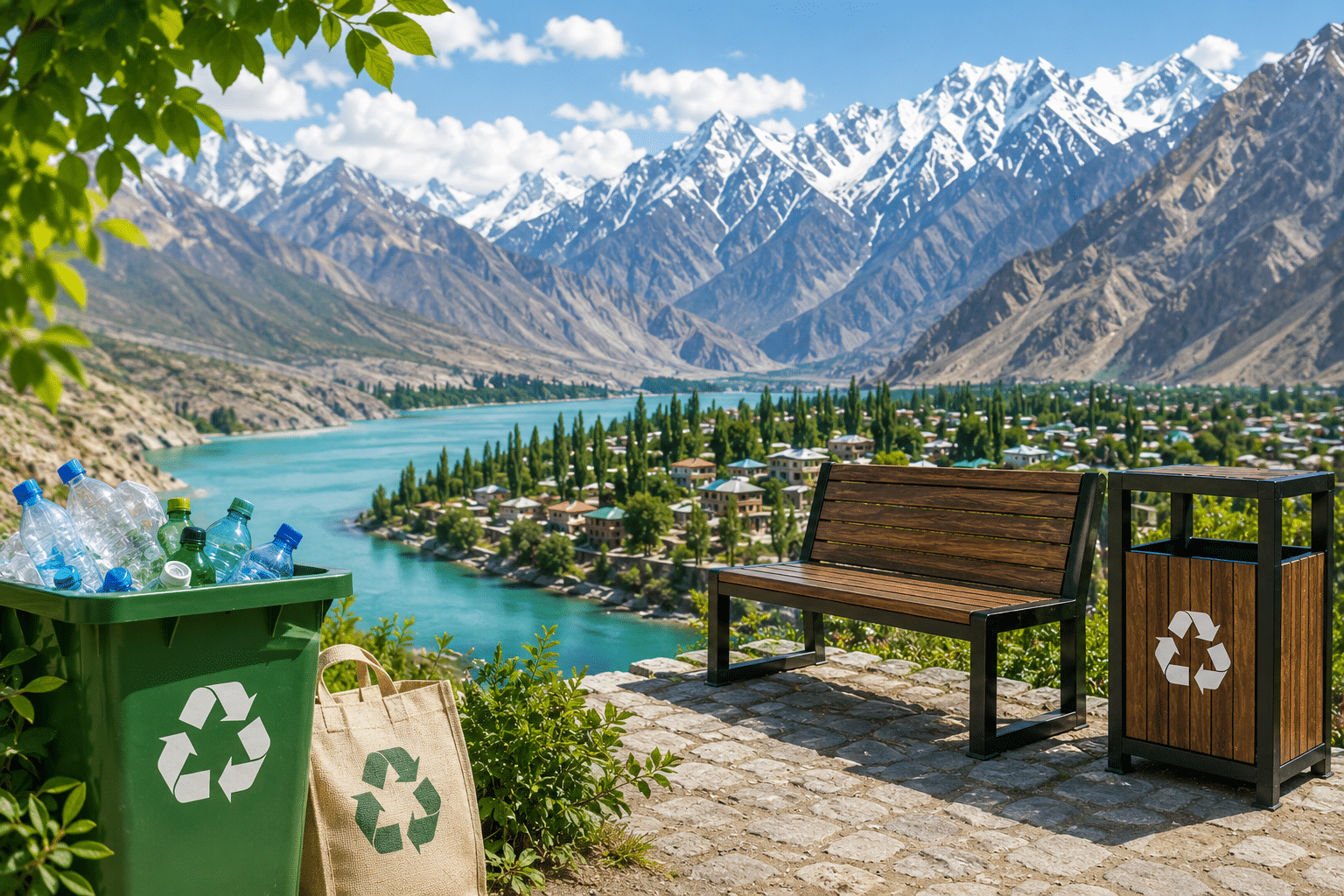
As part of the project, Nestlé Pakistan has also installed 122 benches and waste bins developed from recycled material at popular tourist locations in Gilgit, Hunza and Skardu. The company has also donated a total of 20,000 reusable bags for distribution among communities through GBWMC.
This project marks Nestlé Pakistan’s efforts to reduce the environmental impact of packaging waste by improving its management and recycling, in line with the United Nations Sustainable Development Goals 12 and 17 – Responsible Consumption and Production and Partnerships for the Goals.
Uzma Sohail
[email protected]

