


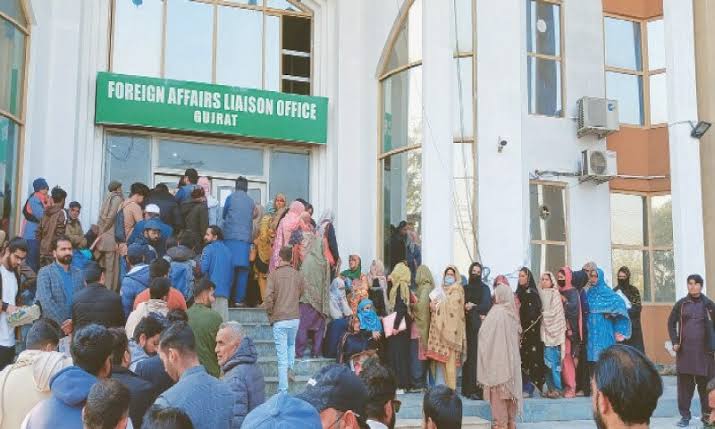
Pakistan’s Ministry of Foreign Affairs (MOFA) has introduced a digital attestation system to simplify the authentication of official documents, making the process more convenient for citizens who need documents verified for use abroad. The system became effective on October 12, 2026, at MOFA headquarters in Islamabad and its liaison offices in Lahore, Karachi, Peshawar, Quetta, and Gujrat.
Under the new system, eligible applicants can receive electronic attestation certificates through email after completing the required process and paying the prescribed fee. The initiative aims to reduce unnecessary office visits, improve service delivery, and make document attestation more accessible for Pakistanis dealing with educational, personal, legal, and other official paperwork.
MOFA Launches Online Document Attestation Facility
The new digital system allows applicants to access document attestation services through the official online portal: https://portal-attestation.mofa.gov.pk. The platform provides access to general attestation and apostille services through a digital application process.
According to a report published by Business Recorder on October 15, 2026, the ministry has directed its officers to encourage applicants to submit documents electronically to improve convenience and transparency.
The system is expected to benefit people preparing documents for overseas employment, higher education, immigration, family matters, and other official purposes.
Electronic Certificates to Reduce Office Visits
Digital Attestation Through Email
One of the main features of the new system is the provision of electronic attestation certificates. After applicants complete the required formalities and pay the applicable fee, eligible documents can receive digital certificates through email.
This development could reduce the need for applicants to visit MOFA offices in person, although physical attendance may still be required in certain cases.
Improved Convenience for Applicants
Previously, document attestation could involve arranging paperwork, travelling to an office, and completing various administrative steps. The digital facility aims to make the process more convenient by allowing applicants to initiate their applications online.
The initiative may particularly benefit people living far from designated attestation offices, as well as students, professionals, and families managing documentation for international use.
How to Apply Through the MOFA Attestation Portal
Applicants can begin the process through the official portal by following the applicable instructions.
Step 1: Create an Account
Applicants must visit the official website and register an account using the required personal information. Existing users can sign in to their accounts.
Step 2: Complete the Applicant Profile
After registration, applicants must verify their email address and complete their profile before proceeding with an application.
Step 3: Select the Required Attestation Service
Applicants can choose between general attestation and apostille services, depending on the document type and the requirements of the destination country or receiving authority.
Step 4: Upload Documents for Review
The required documents and supporting information must be submitted through the portal. The relevant Foreign Affairs Liaison Office officer reviews the application before it can proceed to the next stage.
Step 5: Follow Approval and Payment Instructions
Applicants should follow the instructions displayed on the portal regarding approval, applicable fees, and any additional requirements. The precise procedure may vary depending on the service selected and the applicant’s circumstances.
Applicants should consult the official website for the latest requirements before submitting their documents.
General Attestation and Apostille: What Is the Difference?
General Attestation
General attestation is the standard document authentication route for cases in which the receiving authority requires this form of legalisation. Depending on the destination country, additional embassy legalisation or verification may also be necessary.
Apostille Attestation
An apostille certifies the origin of an eligible public document for use in a destination where the relevant Apostille Convention arrangements apply. Acceptance depends on the destination country and the requirements of the authority receiving the document.
Applicants should confirm which service is required before submitting an application to avoid unnecessary delays or additional expenses.
Which Documents Can Be Attested?
MOFA provides attestation services for several categories of documents, subject to the applicable requirements.
These may include:
- Educational documents: Degrees, certificates, and other academic records.
- Personal documents: Birth certificates, marriage-related records, and other eligible personal paperwork.
- Legal documents: Powers of attorney, affidavits, and other qualifying legal instruments.
- Commercial documents: Business and trade-related paperwork requiring official authentication.
- Experience certificates: Eligible documents used for employment and professional purposes.
Some documents must first be verified by the relevant issuing or regulatory authority, such as the Higher Education Commission, Inter Board Committee of Chairmen, or another competent department. Requirements depend on the document category.
Digital System Aims to Improve Transparency and Efficiency
The introduction of electronic attestation represents a further step towards digitising government services in Pakistan. By enabling online applications and electronic certificates where applicable, the system aims to make official documentation easier to manage and reduce administrative inconvenience.
The digital process could also help applicants track requirements more clearly and reduce avoidable delays caused by incomplete paperwork or unnecessary visits.
However, the effectiveness of the initiative will depend on the implementation of the system, clear guidance for applicants, and the availability of support for people who face difficulties using online services.
What Applicants Should Know Before Applying
Applicants are advised to use the official MOFA portal and carefully review the document requirements, destination-country guidance, and applicable fees before submitting an application.
They should also ensure that their documents have received any required preliminary verification from the relevant authorities. Electronic attestation does not automatically remove every requirement for original documents or physical attendance.
The ministry’s digital initiative is intended to simplify the process while maintaining the authentication requirements associated with official documents.
Conclusion
Pakistan’s new digital MOFA attestation system aims to make document authentication more accessible by introducing online applications and electronic certificates for eligible cases. With services available through the official portal and implementation across MOFA headquarters and liaison offices, the initiative could reduce unnecessary visits and improve convenience for citizens preparing documents for international use.
As the system develops, clear instructions, reliable digital services, and awareness among applicants will be important in ensuring that the new process delivers its intended benefits.

