


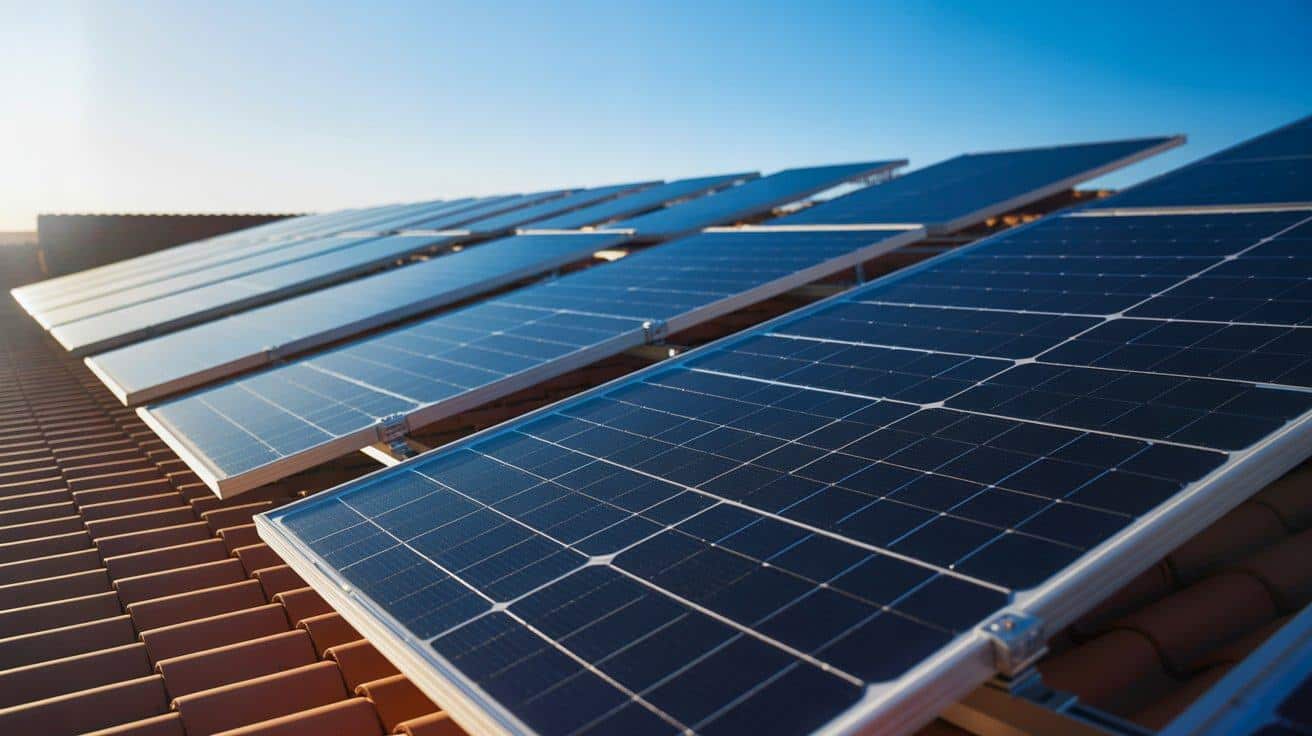
The Pakistani government has proposed a new electricity pricing system to prevent industries from shifting away from the national grid toward solar and other off-grid power sources. The plan, called the “two-part industrial tariff policy,” has already been shared with the International Monetary Fund (IMF).
Under this policy, industries that use more electricity from the national grid will get lower per-unit rates. However, those using far less than their approved (sanctioned) load, especially companies relying heavily on solar, will face much higher monthly fixed charges. The main goal is to recover the huge fixed costs and capacity payments of power plants that stay idle when demand drops.
Pakistan’s power sector is under heavy pressure. High electricity prices, slow economic growth, and rising solar use have reduced industrial demand from the grid. Many factories now produce their own power using solar panels or gas generators, leaving the government with expensive power plants that are not running at full capacity. Fixed costs still need to be paid, and these are being passed on to remaining consumers.
Power Division officials say the new system will be optional, not compulsory. Industries using more than 50% of their sanctioned load could get electricity at around 7-8 US cents per unit, and even lower with higher usage. This could make Pakistani industries more competitive. Officials hope it will increase demand by about 1,000 MW.
The proposal is currently under consultation and may be implemented within the next two months. Power Minister Sardar Awais Laghari recently discussed it with the IMF. Critics argue it may discourage investment in solar energy and put an extra burden on industries already struggling with high costs.
The government believes this step is necessary to keep the power sector stable and prevent its collapse. However, success will depend on how industries respond to the new structure.

