


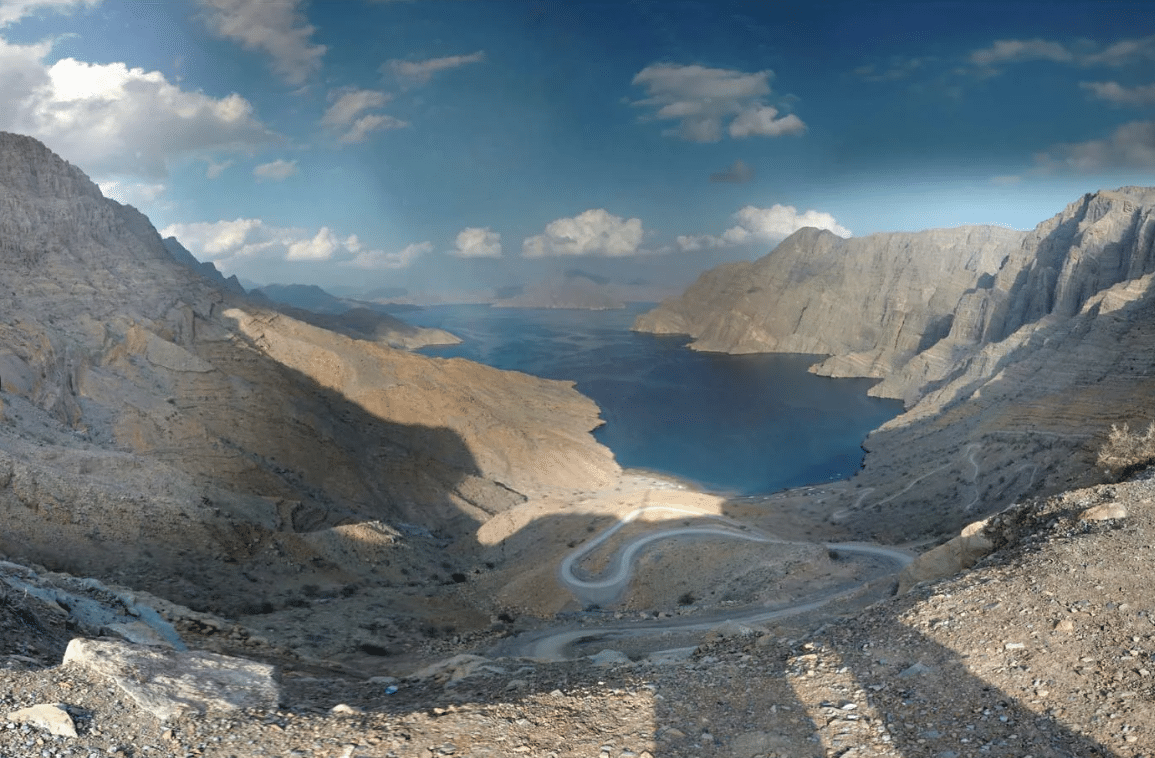
The Strait of Hormuz is a narrow but vital stretch of water that connects the Middle East to the rest of the world. Recently, US Pentagon officials delivered a warning that it could take up to six months to clear naval mines from this strategic waterway.
Naval mines are underwater explosives designed to damage or sink ships. Because the Strait is the world’s most important “chokepoint” for oil, even a few mines can stop global trade. If ships cannot pass safely, oil prices could skyrocket, affecting everything from gas at the pump to the cost of groceries.
During a private briefing, US lawmakers expressed deep concern. They felt they weren’t given enough information about the costs of the conflict or the long-term plan.
Adding to the tension, reports resurfaced about a tragic strike during the unrest that hit a school, claiming the lives of 165 people, mostly students. No clear answers were provided regarding this loss of life.
Meanwhile, Iranian officials, including Abbas Araghchi, have blamed the instability on foreign aggression. This back-and-forth between nations makes the situation even more fragile.
For now, the world is watching closely. Clearing these waters is not just a military task; it is a race to protect the global economy and prevent further human suffering. A six-month delay would certainly be a major challenge for the entire world.

