


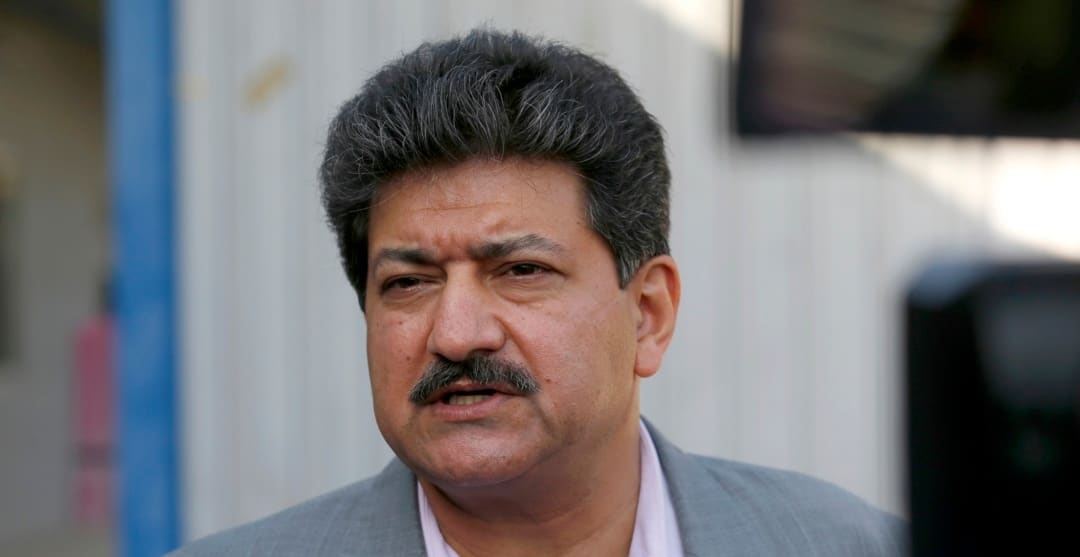
Journalist Hamid Mir has called for a major reduction in petrol prices, suggesting that fuel rates should be cut by Rs. 200 per litre following reports of a peace agreement between the United States and Iran.
In his remarks, Mir argued that positive developments in global energy markets should result in direct benefits for the public. He said that if international tensions ease and oil supply concerns decrease, consumers should receive relief through lower fuel prices.
His statement came after reports of a diplomatic breakthrough between the United States and Iran, which many believe could contribute to greater stability in global oil markets. Reduced geopolitical tensions often influence oil prices by lowering concerns about supply disruptions and transportation risks.
Mir’s comments quickly gained attention on social media, where many users joined the discussion about fuel prices and the overall cost of living. Some people supported the idea of substantial price reductions, while others pointed out that domestic fuel prices depend on several economic factors beyond international oil rates.
Analysts note that petroleum prices in Pakistan are influenced by global crude oil prices, exchange rates, government taxes, petroleum levies, and other policy considerations. As a result, changes in international markets do not always lead to immediate or equal adjustments in local fuel prices.
The discussion has also highlighted broader public concerns about inflation and rising living expenses. Many citizens hope that improvements in global economic conditions will eventually translate into lower transportation and energy costs.
The debate continues online, with users sharing different views on fuel pricing policies and the government’s role in passing on international price changes to consumers.
The conversation reflects growing public interest in how global developments can affect everyday expenses and economic conditions in Pakistan.

