


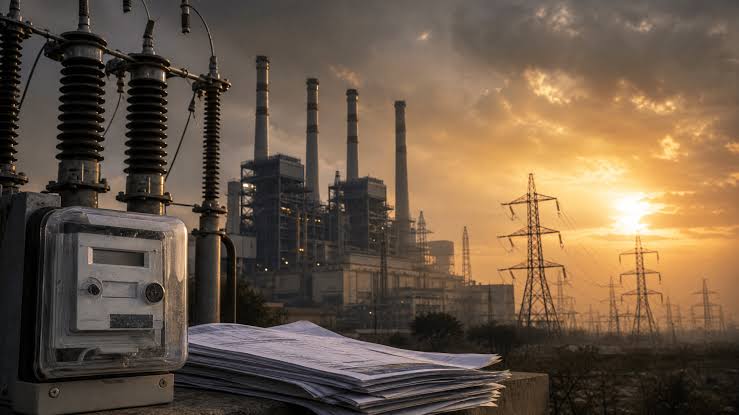
A recent report has drawn attention to serious inefficiencies within Pakistan’s power sector, revealing a growing financial burden on consumers despite a decline in actual electricity generation.
According to the findings, electricity production in the country has dropped by around 9% between FY22 and FY25. However, instead of reducing overall costs, the system has seen a sharp increase in capacity payments, which have now surged to approximately 61% of total power purchase expenses. These payments are essentially fixed charges paid to power producers to keep plants on standby and available for electricity generation, even when they are not actively producing power.
The report further highlights that this imbalance has created a situation where consumers continue to face rising electricity bills, even as overall generation levels fall. Much of the thermal power infrastructure is operating well below its designed capacity, reflecting persistent inefficiencies in planning and utilization. Energy experts caution that unless significant structural reforms are introduced in the sector, the trend of high costs and underutilized capacity is likely to continue, placing further pressure on households and businesses across the country.

