


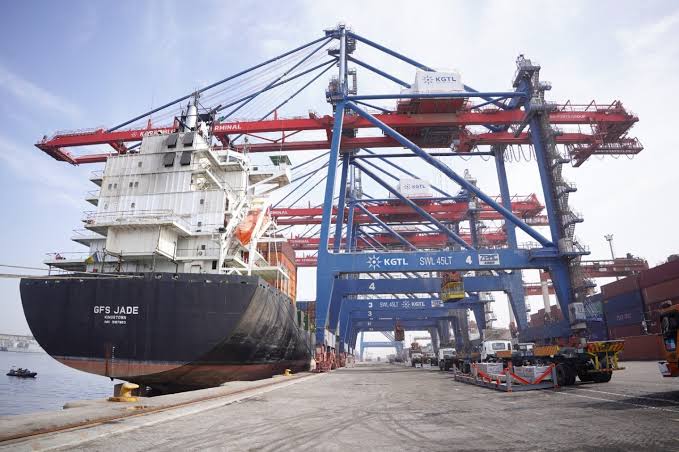
Pakistan’s major seaports continued to work normally despite rising global tensions linked to the Strait of Hormuz. Officials confirmed that trade operations remained stable, with large volumes of cargo handled in a single day.
According to port data, a total of 179,335 metric tons of cargo was processed across key terminals within 24 hours. This shows that shipping activity has not slowed despite uncertainty in global maritime routes.
The Karachi Port Trust handled the larger share of cargo, processing around 142,182 metric tons during the day. Meanwhile, Port Qasim Authority managed 37,153 metric tons, reflecting steady operations at both ports.
At Port Qasim, a significant portion of activity was linked to coal imports. Several vessels arrived carrying more than 270,000 metric tons of coal. These shipments came from countries such as Mozambique, Indonesia, and South Africa.
Officials said the smooth handling of cargo shows that Pakistan’s port system remains functional and efficient even during periods of international uncertainty. They added that continuous monitoring and coordination have helped maintain stable operations.
Experts note that ports play a key role in ensuring energy supply and trade stability for the country. Coal imports, in particular, are important for meeting industrial and power generation needs.
Despite global tensions affecting shipping routes in some regions, Pakistan’s maritime sector has so far managed to keep trade flowing without major disruption. Authorities say they will continue to ensure smooth operations and safeguard supply chains in the coming weeks.

