


Pakistan’s inflation rate is expected to increase further in May 2026, with estimates suggesting it may reach between 11.0% and 11.5% compared to the same period last year. If this happens, it would become the highest inflation level recorded in the past 23 months.
In April 2026, inflation stood at 10.89%, showing that prices of everyday goods and services are continuing to rise. Experts believe monthly inflation for May may increase slightly by around 0.07%.
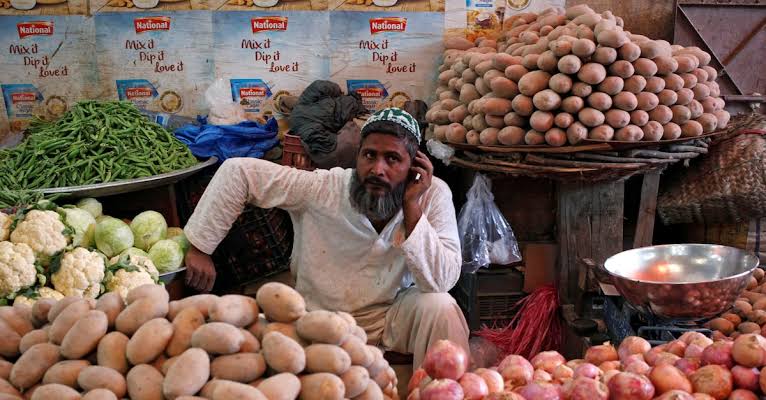
The expected rise is mainly linked to higher food prices. Reports suggest that the cost of important household items, including wheat flour, wheat, and potatoes, has increased. These changes can directly affect families already dealing with rising living expenses.
However, not all food products became more expensive. Prices of tomatoes and onions reportedly dropped noticeably during the period, providing some relief to consumers.
Meanwhile, transportation costs showed a small decline, which may help reduce spending for some households. Housing and utility expenses also reportedly decreased due to lower fuel cost adjustments, easing pressure in certain sectors.
Economic analysts expect average inflation for the fiscal year 2026 to remain around 7.1%. Looking ahead, inflation for fiscal year 2027 is projected to rise further to approximately 8.2%.
Experts say future inflation trends may depend on factors such as energy prices, economic policies, and changes in global markets. Continued fluctuations in fuel costs and essential commodities could influence household budgets and overall economic conditions in the coming months.
The projected increase highlights ongoing financial challenges faced by consumers across the country.

