


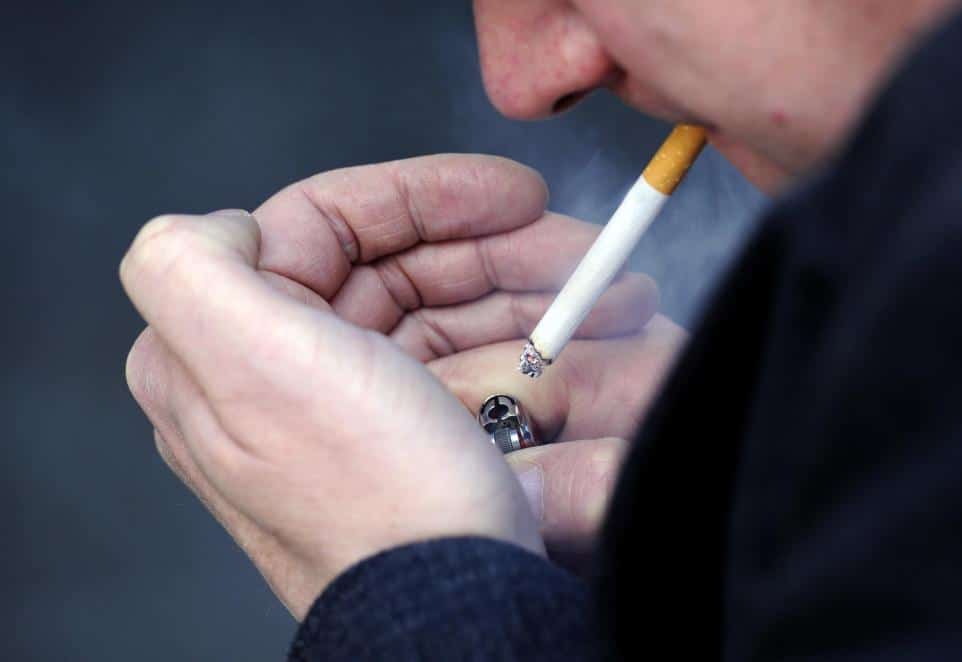
Studies have found that around 80 percent of people who smoke want to quit. Yet, due to lack of information, most fail to do so. Smoking remains one of the leading causes of preventable death globally, damaging nearly every organ in the body and significantly raising the risk of lung cancer, COPD, heart attacks and strokes. On average, smokers die ten years earlier than non-smokers. Due to the ‘quit or nothing’ messaging, smokers trying to quit know nothing but guilt for relapsing, without knowing that there are relatively less harmful options that can deliver nicotine without them having to burn a cigarette.
Multiple studies have shown that nicotine, which is found in every tobacco product, is addictive but does not cause life-threatening diseases. Nicotine acts on the brain to create a genuine dependence, which is part of what makes quitting so difficult. The fatal effects that are usually attributed to nicotine are actually caused by the mix of toxins released by the combustion of tobacco. The emissions from burning a cigarette release about 7,000 chemicals that include at least 250 harmful substances like tar, carbon monoxide, arsenic, benzene etc. Cigarette smoke alone contains over 70 known carcinogens that directly damage DNA, a key driver of its cancer risk.
Many of these toxins are not originally present in tobacco. They are produced as a result of combustion. The temperature of a burning cigarette tip is more than 800°C, causing the tobacco to break down and release substances that can cause fatal diseases. However, even smokers that are aware of these harms are unable to quit due to lack of information on alternatives to smoking. The harm that smoking poses to their health can be reduced remarkably if users that struggle with moving away from cigarettes have access to accurate information on less harmful alternatives to smoking, also known as Tobacco Harm Reduction (THR) products.
Research has shown that the risk of harm from products that do not require combustion is much lower than cigarettes that need to be burned for the user to get their hit of nicotine. Available alternatives to smoking, for instance, heat tobacco instead of burning the tobacco leaf, and as a result do not produce toxic tar or carbon monoxide. This drastically limits exposure to cancer-causing chemicals compared to conventional smoking. According to the United States’ Food and Drug Administration authority, harm reduction products significantly lower the risk of life-threatening diseases like chronic obstructive pulmonary disease (COPD) and cancer since they do not involve the burning of tobacco.
THR products also reduce exposure and health risks to third parties who do not smoke but are exposed to the harmful toxins released in cigarette smoke because they are around smokers.
In Pakistan, however, tobacco harm reduction strategies and products are not made part of mainstream conversations surrounding eliminating smoking. This is part of the reason why smokers, who are unable to quit despite efforts, are not aware that there are relatively less harmful alternatives to smoking. Examples like Japan and Sweden demonstrate that combustion-free alternatives lead to a notable reduction in risk. The emphasis on complete cessation is valid, but in order to move towards a better future, it is important to spread more awareness about harm reduction as well.
By Dr. Tariq Masood
Author Bio: Dr. Tariq Masood is a consultant cardiologist with over 32 years of experience and currently practices at National Medical Centre, Karachi.

