


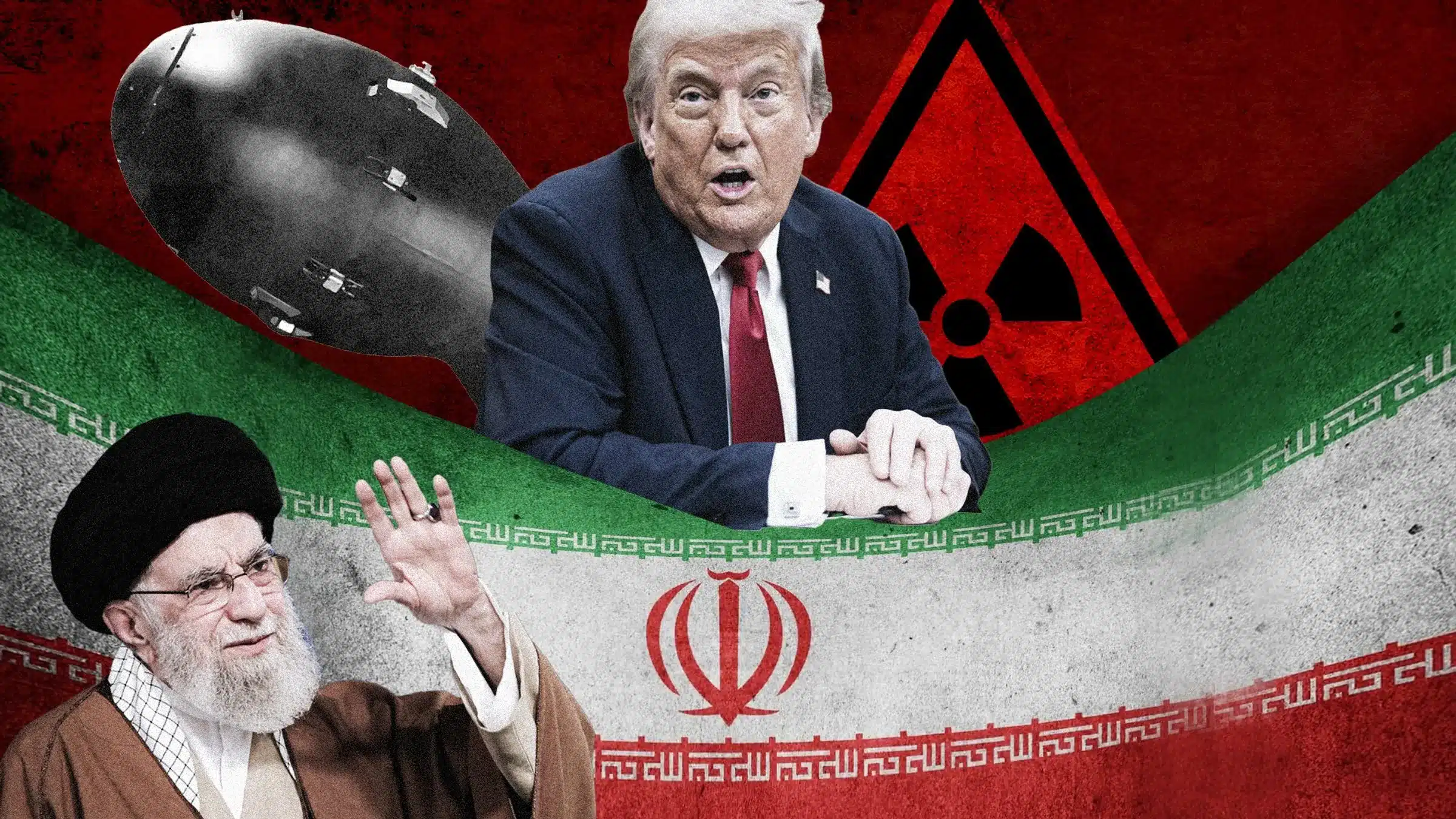
The United States has authorized more than $8.6 billion worth of emergency arms sales to several key Middle Eastern allies, including Israel, the United Arab Emirates, Qatar, and Kuwait. Reports indicate that the approval was granted by invoking emergency powers, effectively bypassing the usual congressional review process. The decision has drawn attention due to both its scale and the unusual speed at which it was finalized, reflecting heightened security concerns in the region.
According to available information, the move came shortly after Iran conveyed a peace proposal aimed at easing regional tensions, reportedly delivered through Pakistani intermediaries. Despite these diplomatic overtures, Washington proceeded with the arms package, which includes advanced defense systems, precision-guided munitions, and significant upgrades to missile defense capabilities. Qatar is said to be among the major recipients, with substantial support involving Patriot missile systems, while Kuwait is also included as part of the broader security arrangement.
The development has triggered political debate within the United States, with some lawmakers expressing concern over the use of emergency authority to sidestep congressional oversight. Critics argue that such large-scale defense agreements warrant thorough legislative scrutiny, particularly given their potential long-term impact on regional stability. Supporters, however, maintain that the urgency of evolving security dynamics justified the expedited process, making it one of the most significant emergency-authorized arms deals in recent years.

