‘123456’ tops world’s most-used passwords for seventh time in eight years
NordPass says the top three passwords remain unchanged, while artificial intelligence is accelerating password cracking and the theft of login credentials.
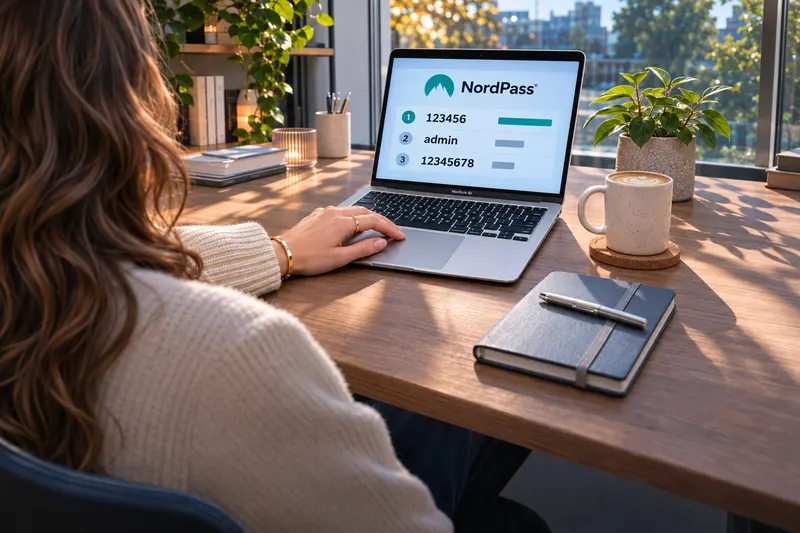
“123456” is still the world’s most-used password, taking first place for the seventh time in eight years in NordPass’s latest annual report. With “admin” ranked second and “12345678” third, the leading trio remains unchanged.
Other widely used choices include “password” and simple variations such as “1234”. NordPass based its findings on passwords that criminals had leaked on the dark web, warning that these easily guessed combinations can be cracked in seconds, exposing social media profiles, personal information and bank accounts.
The analysis also explored passwords inspired by popular culture. Gaming and anime accounted for the biggest share of entries, although sports-themed choices were used most frequently. LeBron James led the names, ahead of Messi, Lampard and Lewandowski.
Frequently appearing words also included “Impostor”, “Covid”, “Skibidi”, “Roblox” and “Savage”. NordPass said passwords drawing on these references could all be broken within seconds.
NordPass warned that artificial intelligence has increased the danger by accelerating both password cracking and login-credential theft. Reports involving millions of stolen passwords continue to emerge regularly, while rapid advances in AI and quantum computing limit the protection encryption offers.
Security experts recommend passwords at least 12 to 16 characters long, mixing numbers, uppercase and lowercase letters, and special symbols such as %, $, # and @. They advise against including a loved one’s name, a phone number, a birth date or a name. Reusing passwords across accounts is also discouraged because compromising one can expose the rest.
Experts also recommend trusted password managers, including Bitwarden and NordPass, to create strong passwords and fill them in automatically. Passkeys and biometric sign-in, available through most services, are other recommended options. Users should also switch on multi-factor authentication (MFA) wherever it is available.
Share this story
Send it to someone who should read it.