


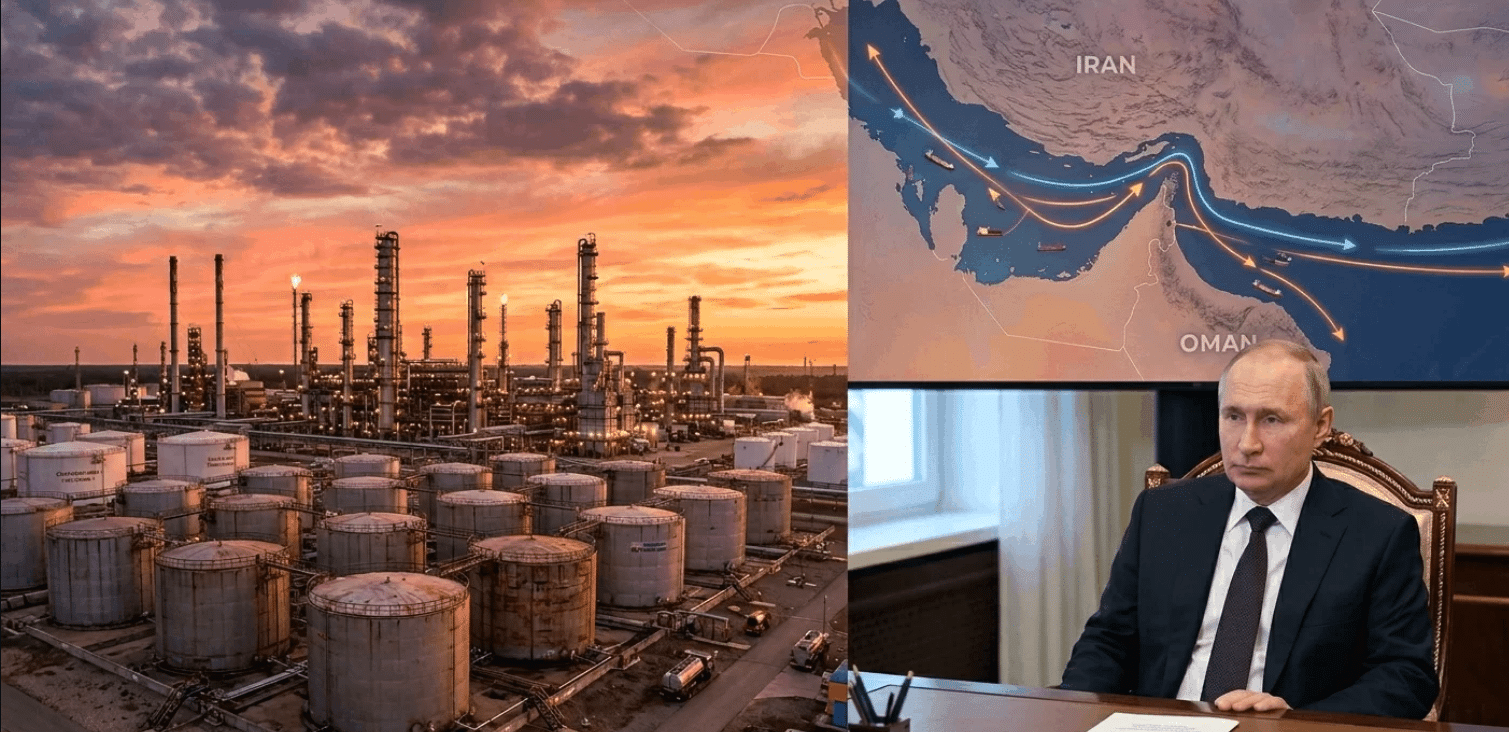
Russia has announced a ban on petrol exports worldwide starting from April 1, which will remain in effect until July 31.
The decision was confirmed by Deputy Prime Minister Alexander Novak as part of efforts to stabilize the country’s fuel market.
The government said the move comes in response to ongoing uncertainty in global oil markets. Tensions linked to the Middle East crisis and changing fuel prices have created pressure on supply chains. By limiting exports, Russia aims to control domestic fuel availability and prevent sudden price increases within the country.
According to official data, Russia exported nearly 5 million metric tons of petrol last year, which is about 117,000 barrels per day.
This shows the country’s important role in global fuel supply. Any change in its export policy can have an impact on international markets, especially in regions that depend on Russian fuel.
Officials have stated that domestic fuel production and refining will continue without disruption. The main goal is to ensure that local demand is fully met during this period.
The ban is also expected to reduce shortages in some areas and bring more stability to fuel prices.
This step could influence global petrol prices in the short term, while helping Russia maintain control over its internal energy needs.

