


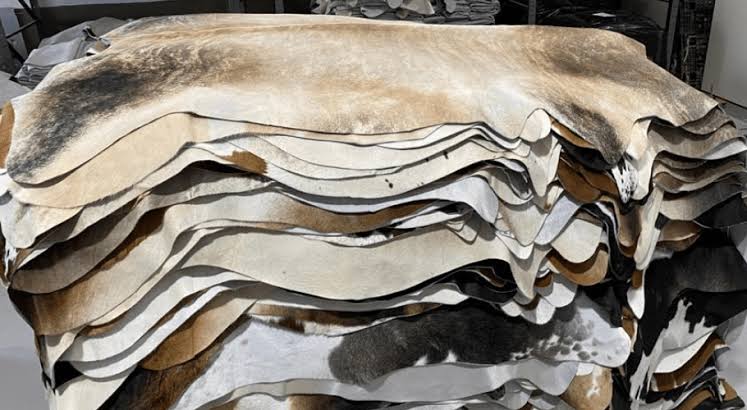
Pakistan is expected to witness substantial economic activity during Eid-ul-Azha through the collection and processing of sacrificial animal hides, with the overall value estimated at approximately Rs. 8.7 billion this year. Industry estimates suggest that around 7.5 million animals will be sacrificed across the country, providing a significant boost to the leather and related industries.
The tradition of animal sacrifice during Eid-ul-Azha continues to play an important role in supporting Pakistan’s economy. Over the past decade, the number of sacrificial animals has increased by nearly 17 percent, reflecting both population growth and greater public participation in the religious occasion. This upward trend has contributed to a larger supply of hides and skins, which serve as a key raw material for the country’s leather sector.
Pakistan’s leather industry has undergone a notable transformation in recent years. Rather than relying primarily on the export of raw hides, the sector has increasingly focused on manufacturing and exporting value-added products, including finished leather goods, footwear, garments, gloves, and accessories. This shift has enhanced the industry’s competitiveness in international markets and generated greater economic returns.
According to industry data, exports of leather products and footwear have reached approximately $694.20 million, highlighting the sector’s growing contribution to Pakistan’s export earnings. Experts believe that efficient collection, preservation, and processing of animal hides during Eid-ul-Azha can further strengthen the industry, create employment opportunities, and support economic growth.
As preparations for Eid continue across the country, stakeholders in the leather sector remain optimistic that this year’s hide collection will provide another important boost to one of Pakistan’s key export-oriented industries.

