


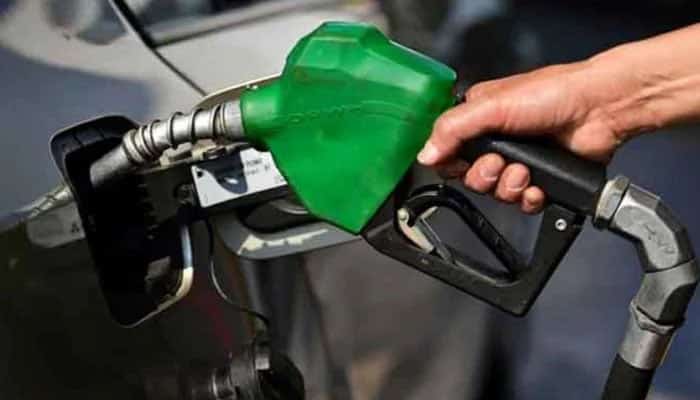
Pakistan experienced major changes in fuel prices over the past month, with petrol and high-speed diesel prices increasing several times while only seeing limited reductions.
Reports show that fuel prices were raised three times and reduced only twice during the period, resulting in higher overall costs for consumers despite recent price cuts.
Even after the latest reductions, people in Pakistan are still paying more than Rs400 per litre for petrol and diesel, keeping transportation and daily expenses expensive.
According to available figures, high-speed diesel prices increased by a total of Rs61.16 per litre over the month. However, price reductions only amounted to Rs11.80 per litre, leaving a net increase of Rs49.36 per litre overall.
The continued rise in fuel prices has increased financial pressure on households already dealing with higher living costs.
Fuel prices directly affect transportation, production, and delivery expenses, which often leads to higher prices for essential goods and services. As transportation costs increase, businesses may pass additional expenses to consumers, contributing to inflation across different sectors.
Many families are facing difficulty managing budgets as rising fuel costs add pressure to electricity, food, and travel expenses.
Economic observers say frequent changes in petroleum prices create uncertainty for both consumers and businesses. Pakistan’s economy is sensitive to global oil prices and currency fluctuations, which can influence domestic fuel costs.
Higher diesel prices can particularly affect agriculture, goods transportation, and industrial activity because many sectors depend heavily on fuel. The recent trend highlights ongoing concerns about inflation and the impact of energy costs on everyday life.

