


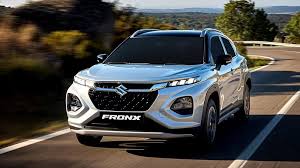
Pakistan’s automobile industry may be entering a phase of renewed pricing pressure as proposed budget measures indicate potential increases in taxation on locally assembled vehicles. Industry analysts warn that such changes could have a direct impact on vehicle affordability, market demand, and the broader transition toward more efficient mobility solutions.
Among the models expected to be affected is the Suzuki Fronx, a recently introduced crossover that has gained attention in the Pakistani market due to its modern design, fuel efficiency, and feature-rich offering. Market estimates suggest that certain variants could see price increases of up to PKR 1 million if the proposed fiscal adjustments are implemented.
The anticipated price escalation is likely to place additional strain on middle-income consumers, who are already facing challenges from inflationary pressures, rising interest rates, and increased vehicle ownership costs. Experts believe this could further delay purchase decisions and extend vehicle replacement cycles.
Industry observers caution that prolonged use of older vehicles may also have environmental implications, as aging fleets typically exhibit lower fuel efficiency and higher emissions compared to newer-generation models.
While global automotive trends continue to emphasize full electrification, many experts highlight the relevance of hybrid vehicles as a practical interim solution for Pakistan. Hybrid technology offers improved fuel economy and reduced emissions without the need for extensive charging infrastructure, making it more adaptable to current local conditions.
In several international markets, hybrids have played a key role in bridging the gap between traditional combustion engines and full electric mobility. Advocates suggest that similar adoption in Pakistan could deliver immediate environmental gains while infrastructure development continues.
Stakeholders further recommend a balanced, technology-neutral policy framework that encourages all low-emission vehicle technologies, including hybrid, plug-in hybrid, and electric vehicles, to ensure broader accessibility and faster environmental progress.
As fiscal decisions approach finalization, the automotive sector continues to emphasize the need for predictable, supportive policies that sustain industry growth while keeping modern and efficient vehicles within reach of consumers.

