


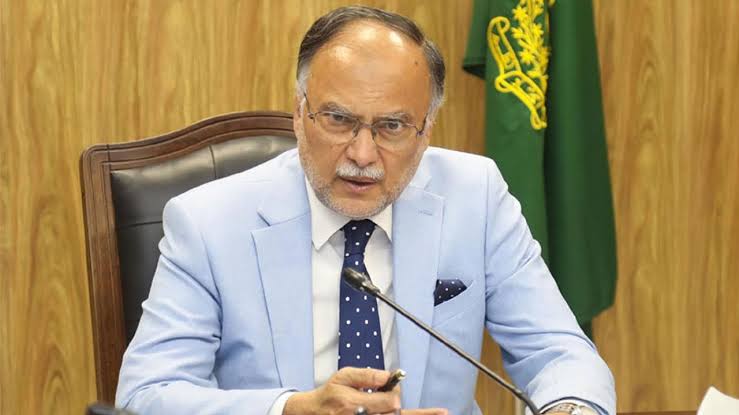
Federal Minister Ahsan Iqbal has proposed dividing Pakistan into 15 provinces, saying smaller administrative units could help the government respond more effectively to people’s needs.
The proposal focuses on improving governance by bringing public services and decision-making closer to citizens. Iqbal has argued that the country’s current administrative structure faces challenges in managing large populations and addressing issues at the local level.
According to the proposal, creating smaller provinces could make government departments easier to manage and allow authorities to respond more quickly to problems in different parts of the country. It could also improve the delivery of essential public services and give local communities greater administrative attention.
The idea, however, could lead to a wider debate over how Pakistan should be administratively organized. The creation of additional provinces would involve questions surrounding boundaries, distribution of resources, political representation and the powers of provincial governments.
Any major change to the provincial structure would also require constitutional amendments and broad political agreement. This means that turning the proposal into reality would require support from political parties as well as consensus at the national level.
Iqbal’s remarks are likely to bring the issue of new provinces back into public discussion, particularly in areas that have long called for greater administrative representation.
Political leaders, policymakers and citizens are expected to debate whether smaller provinces could improve governance and public service delivery or create additional administrative and political challenges.
For now, the proposal remains an idea for discussion, but it could add fresh momentum to Pakistan’s long-running debate over administrative reforms and the future structure of the federation.

