


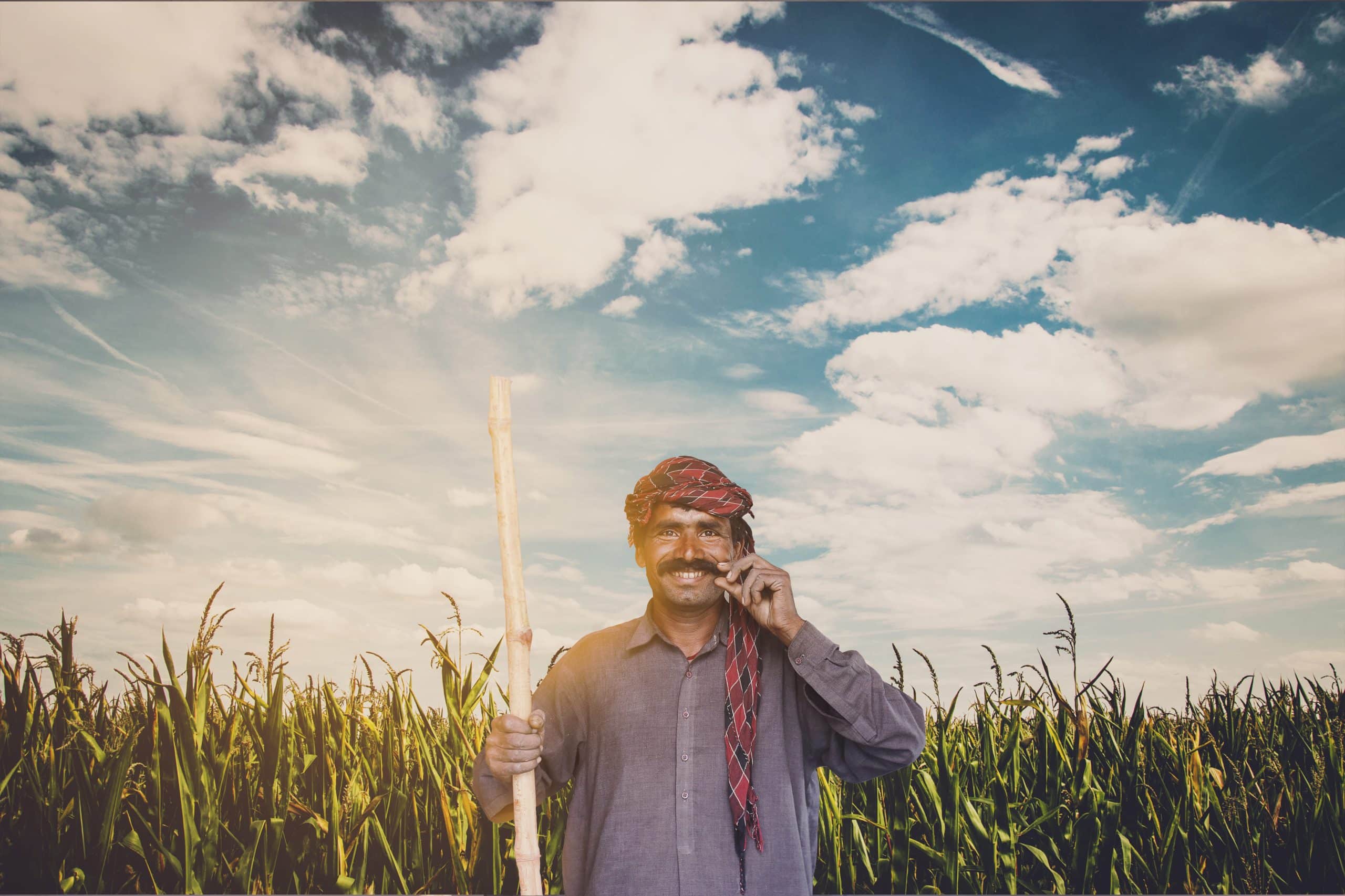
The future of Pakistan’s food security may well be determined by decisions made in a farmer’s field today. The moment a farmer decides when to sow, how much water a crop needs, or how to respond to the first signs of a pest infestation can influence an entire harvest. These are seemingly ordinary decisions, yet collectively, they shape agricultural productivity, farmers’ livelihoods and the country’s ability to feed its growing population.
As the world marks World Food Day 2026 under the theme “Innovate today. Nourish tomorrow.”, these moments deserve greater attention. For agricultural innovators such as Syngenta Pakistan, they represent opportunities to bring science, technology and practical knowledge closer to farmers, helping them make the right decisions at the right time. The significance of innovation lies not simply in what technology can do, but in the difference it makes when farmers need it most.
For Pakistan, the importance of these decisions becomes clearer when viewed against the country’s agricultural challenges. According to the Pakistan Economic Survey 2025–26, agriculture contributes 23.44 per cent to national GDP, yet the country’s five major crops collectively registered growth of just 0.65 per cent during the fiscal year. With mounting pressure from water scarcity, changing weather patterns, pest outbreaks and declining soil health, increasing agricultural productivity has become essential to protecting both farmer prosperity and national food security.
The challenge, however, is not simply to produce more food. It is to enable farmers to grow more from available resources while protecting the natural environment on which future harvests depend. Achieving this requires a shift towards smarter, more informed and increasingly resilient agricultural practices.
Consider the decisions a farmer must make throughout a growing season. Sowing at the right time can give a crop a stronger start. Knowing when to irrigate can help conserve precious water without compromising plant health. Identifying a pest or disease early can prevent significant crop losses. Even a timely weather advisory can help a farmer prepare for conditions that might otherwise threaten months of effort and investment. Each of these is a moment that matters. And increasingly, technology is making it possible to turn such moments into better agricultural outcomes.
Digital agriculture is helping bridge the distance between scientific knowledge and everyday farming decisions. Weather forecasts, crop calendars, pest identification tools and agronomic advisory services can provide farmers with actionable information when it is most relevant. Artificial intelligence is creating further possibilities by making agricultural guidance more accessible, responsive and easier to understand.
Syngenta Pakistan’s Cropwise Grower platform illustrates how this approach can work in practice. With more than 1.7 million downloads and coverage extending across over seven million acres, the platform connects farmers with agricultural information, weather updates, crop calendars and diagnostic support. Its AI-powered agronomic assistant, Savera, further improves accessibility by providing guidance in Urdu, Punjabi, Sindhi, Pashto and Siraiki. By bringing practical agricultural knowledge into local languages, such technologies can help farmers translate information into timely action.
Yet technology alone is not the answer. Its greatest value emerges when combined with agricultural expertise and practical solutions that respond to farmers’ needs throughout the crop cycle. From crop protection and plant health to responsible agricultural practices, innovations must ultimately help farmers minimize losses, improve productivity and achieve more reliable harvests. This integrated approach reflects Syngenta’s broader commitment to helping farmers grow more while making better use of available resources.
Making these innovations accessible to more farmers is equally important. Collaboration among agricultural businesses, research institutions, government and farming communities can help bridge the gap between scientific advancements and their practical adoption in the field. When farmers have access to relevant knowledge, reliable solutions and timely support, the benefits extend beyond individual farms to strengthen rural livelihoods and national agricultural productivity.
World Food Day reminds us that food security is not secured only through major technological breakthroughs. It is built through countless everyday decisions that determine the success of each harvest. When farmers are empowered to make those decisions with greater confidence and precision, every improvement in crop productivity becomes a contribution towards a stronger and more resilient food system.
If we are to nourish tomorrow, we must make today’s moments count. By putting innovation and practical knowledge within farmers’ reach, Pakistan can transform these moments into better harvests, stronger farming communities and a more food-secure future for generations to come.
Written By:
By Zeeshan Baig, Country General Manager of Syngenta Pakistan.

