


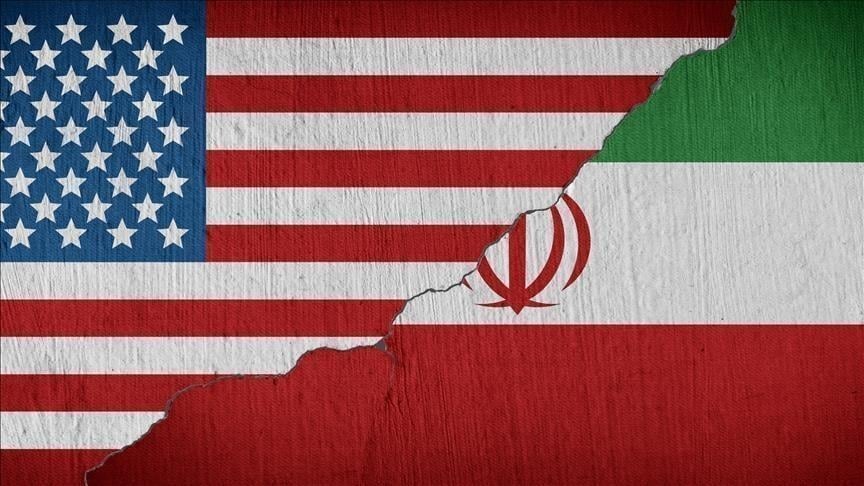
Prime Minister Shehbaz Sharif has announced that the United States and Iran have electronically signed the Islamabad Memorandum of Understanding, a development being described as a major step toward reducing tensions in the region.
According to the prime minister, the agreement follows extensive diplomatic efforts and negotiations involving several regional countries. Pakistan reportedly played an important role in facilitating dialogue, with support from Qatar, Saudi Arabia, Türkiye, and Egypt during the mediation process.
Under the terms of the agreement, Iran is expected to immediately reopen the Strait of Hormuz, one of the world’s most important shipping routes for global energy supplies. The United States, meanwhile, is set to remove its naval blockade and ease certain oil-related sanctions on Iran.
Leaders involved in the process have welcomed the agreement and described it as a positive move toward peace and stability. They believe the understanding could help reduce regional uncertainty and create opportunities for greater economic cooperation.
Experts say the reopening of the Strait of Hormuz could have significant implications for global energy markets by improving the flow of oil shipments and reducing concerns about supply disruptions. The easing of sanctions may also support economic activity and trade in the region.
The agreement is also expected to pave the way for continued discussions on broader issues, including Iran’s nuclear programme and future reconstruction and development efforts. Officials hope that ongoing dialogue will help build trust and prevent future conflicts.
International observers are closely monitoring the situation to see how the agreement is implemented in the coming weeks. Many believe that successful execution of the commitments could contribute to improved regional relations and greater economic stability.
The development has been widely viewed as an important diplomatic achievement and a sign that dialogue and negotiation can play a key role in resolving complex international disputes.

