


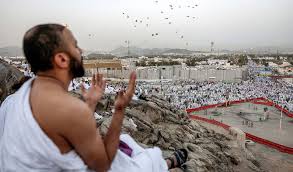
Pakistan has unveiled a new four-year Hajj Policy covering the years 2027 to 2030, introducing a more organized and transparent system for pilgrims planning to perform Hajj.
Under the new policy, intending pilgrims will be able to select their preferred Hajj year in advance through a digital registration and waiting-list system designed to simplify the application process.
To secure a place in the queue, applicants will be required to deposit an estimated 10% of the total Hajj cost at the time of registration.
Pilgrims will then be selected on a transparent first-come, first-served basis, ensuring a fair and efficient allocation of available slots.
The policy also focuses on improving the overall Hajj experience by expanding digital services, streamlining application and processing procedures, and offering multiple Hajj package options to meet the needs and budgets of different pilgrims.
Additionally, the government has decided to maintain the existing Hajj quota distribution, with 60% of pilgrims traveling under the government scheme and the remaining 40% through private Hajj operators.
Officials say these reforms are aimed at making Hajj arrangements more transparent, convenient, and accessible while providing greater certainty for those planning their pilgrimage in the coming years.

