


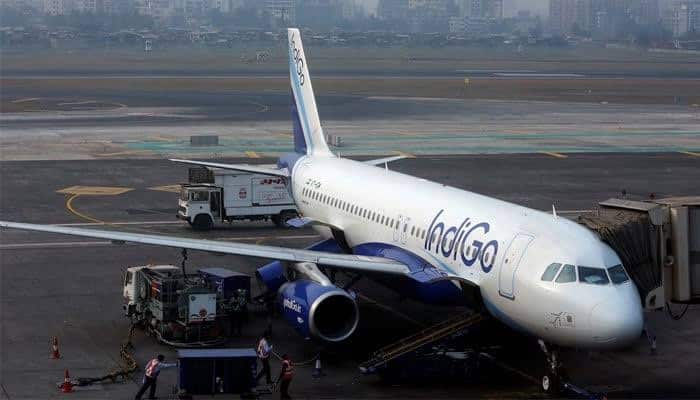
Pakistan has continued its restrictions on flights operated by India, and the situation has now entered its second year. These limits on airspace use are still affecting aviation routes and travel across the region.
The restriction was first introduced during a period of increased tensions between the two countries. Since then, it has remained in place, with no official decision to remove it. As a result, Indian airlines are not allowed to use Pakistani airspace for their flights.
Because of this, airlines have to choose longer alternative routes. This has led to increased flight times, higher fuel consumption, and greater operational costs for carriers. Passengers are also affected, as longer journeys can lead to delays and higher ticket prices.
The ongoing restrictions have also impacted broader international travel. Many routes connecting South Asia with other parts of the world usually pass through this airspace. With the closure still in place, airlines have had to adjust their schedules and operations.
Although there have been discussions in wider diplomatic settings, no clear solution has been announced so far. The issue continues to reflect the strained relationship between Pakistan and India, especially in terms of cooperation in aviation and travel.
Experts believe that until relations improve, the restrictions are likely to continue. The situation remains an important factor affecting regional connectivity, airline operations, and travel efficiency for passengers flying to and from South Asia.

