


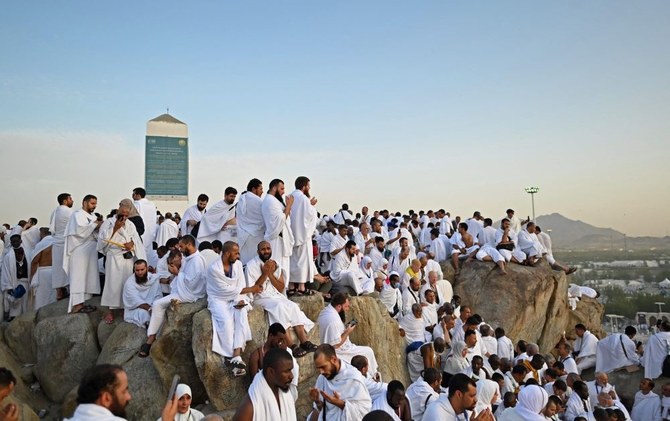
More than 1.6 million Muslims gathered on the Plain of Arafat to observe one of the most important moments of Hajj, spending the day in worship, prayers and seeking forgiveness.
The Day of Arafah is considered the spiritual peak of Hajj and holds great importance in Islam. Pilgrims dedicated their time to reciting the Qur’an, offering supplications, remembering Allah and praying for mercy and forgiveness. Many believers consider this day a symbol of renewal, repentance and hope.
Large numbers of pilgrims gathered around Jabal Al-Rahmah, also known as Mount of Mercy, a significant site linked to Islamic history. The atmosphere remained deeply spiritual as worshippers from different countries stood together in devotion.
Saudi authorities introduced extensive arrangements to manage the large crowds and ensure the safety of pilgrims. Transport systems, medical services and emergency response teams were deployed across holy sites, especially due to extremely high temperatures during the pilgrimage season.
Officials continued to monitor crowd movement and provide facilities aimed at helping pilgrims complete rituals smoothly. Cooling systems, healthcare support and guidance services were also made available in different areas.
After sunset, pilgrims began travelling to Muzdalifah to continue the next stage of Hajj. There, they spend the night in prayer and worship before moving forward with additional rituals, including the symbolic stoning ceremony.
Hajj is one of the five pillars of Islam and is performed annually by Muslims who are physically and financially able. The gathering at Arafat remains one of the most emotional and meaningful moments of the entire pilgrimage, bringing millions together in faith and worship.

