


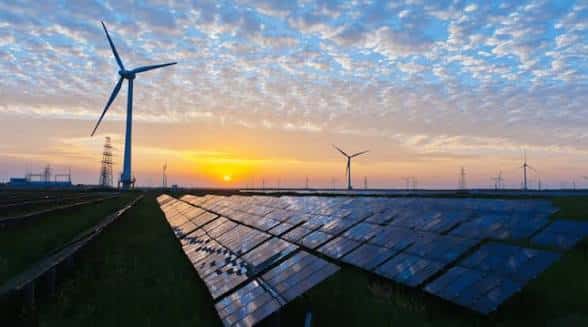
Pakistan has unveiled an ambitious long-term energy transition strategy aimed at transforming the country’s power sector and significantly reducing its dependence on fossil fuels. Under the new roadmap, the country plans to generate nearly 95 percent of its electricity from renewable and clean energy sources by the year 2040, while targeting a 60 percent clean energy share by 2030.
The policy reflects Pakistan’s growing commitment to sustainable development, energy security, and climate resilience as the nation faces rising fuel import costs and increasing pressure on the national economy. Officials believe that shifting toward renewable energy will not only reduce the burden of expensive fuel imports but will also help stabilize electricity tariffs and support long-term economic growth.
According to the plan, Pakistan will rapidly expand investment in solar, wind, hydropower, and biomass energy projects across different regions of the country. Authorities are also focusing on modernizing the national grid and improving transmission infrastructure to reduce electricity losses and improve efficiency in power distribution.
A major component of the strategy includes the gradual retirement of nearly 14,000 megawatts of fossil fuel-based power plants by 2035. This move is expected to cut carbon emissions, lower dependence on imported fuels, and create space for cleaner and more affordable energy alternatives.
The roadmap further highlights efforts to achieve universal electricity access for citizens, especially in underserved and remote areas. Special emphasis is being placed on promoting rooftop solar systems in schools and public institutions to encourage energy independence and reduce operational costs.
Energy experts say the transition toward renewables could strengthen Pakistan’s energy security by protecting the country from global oil and gas price fluctuations. At the same time, the plan is expected to create new opportunities in the green energy sector, including investment, infrastructure development, and employment generation.
The government believes that accelerating renewable energy adoption will play a crucial role in building a more sustainable, reliable, and environmentally friendly power system for future generations while supporting Pakistan’s broader climate and economic goals.

