


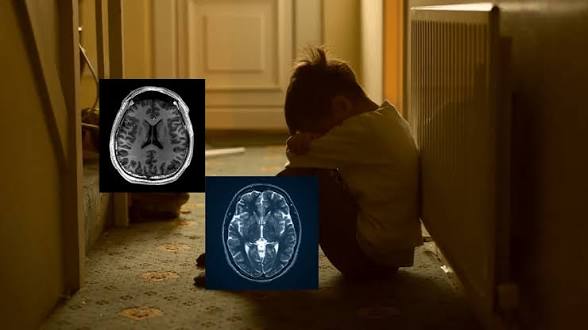
New findings in brain imaging research suggest that children growing up in violent or emotionally unstable environments in Pakistan may develop patterns of brain activity similar to those observed in soldiers exposed to combat situations. The study highlights the deep psychological and neurological impact that chronic stress, abuse, neglect, and family conflict can have on developing minds during childhood.
Researchers conducted functional MRI scans on 43 children to better understand how exposure to difficult home environments influences brain function. The results revealed that children who had experienced repeated emotional stress, abuse, neglect, or frequent domestic conflict showed significantly heightened activity in areas of the brain linked to fear and threat detection.
The most notable changes were found in the amygdala and the anterior insula, two regions responsible for processing fear, emotional pain, danger awareness, and anticipation of harm. When these children were shown images of angry facial expressions, their brains reacted with unusually high sensitivity, suggesting that they had become constantly alert to possible threats around them.
Experts explained that this heightened state of vigilance resembles the neurological responses often seen in combat-exposed soldiers or individuals living in high-risk environments. Even though the children involved in the study had not been diagnosed with mental illnesses, their brains appeared to remain in a prolonged “survival mode,” focusing more on detecting danger than on normal emotional development, learning, or social interaction.
Researchers warn that long-term exposure to stress during childhood can have lasting consequences that continue into adulthood. Constant activation of the brain’s stress-response system may affect emotional regulation, self-confidence, relationships, academic performance, and even physical health later in life.
Mental health specialists say the findings reinforce the urgent need for safer home environments, emotional support systems, and early psychological intervention for children exposed to violence or instability. They also stress that childhood emotional trauma is not only a social issue but a neurological one, capable of reshaping how the brain processes emotions and responds to the world.

