


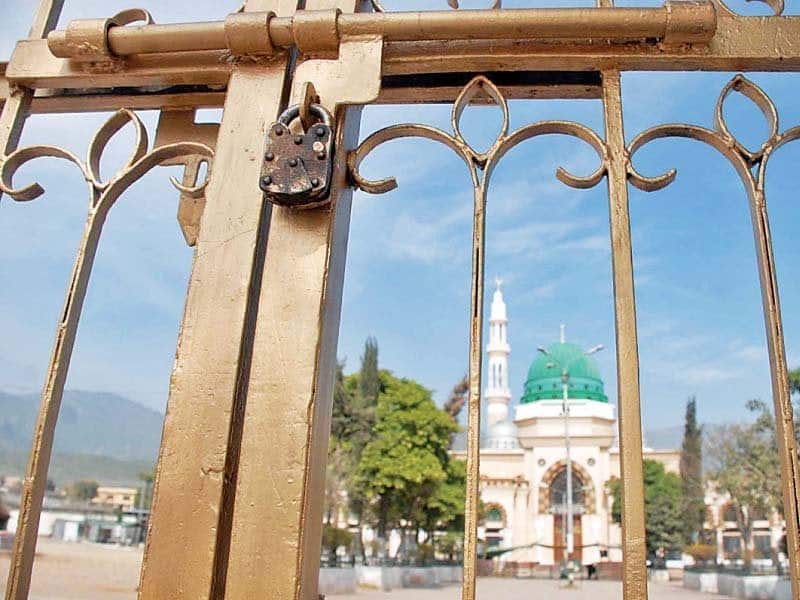
The federal government is facing growing criticism after four officials from Islamabad were awarded the Tamgha-e-Imtiaz for their involvement in the Bari Imam anti-encroachment operation. The officers were honored by Asif Ali Zardari in recognition of their role in clearing alleged illegal settlements and reclaiming state-owned land reportedly valued at nearly Rs. 1 billion. Authorities described the operation as a major step against unlawful occupation and land-related corruption in the capital.
However, the decision has sparked debate among social activists, political observers, and sections of the public who argue that the operation came at a heavy social cost. Critics claim that thousands of low-income families were displaced during the crackdown, leaving many without proper shelter or alternative arrangements at a time when inflation and economic hardship are already severely affecting ordinary citizens. Many questioned whether the operation primarily targeted vulnerable communities instead of influential land grabbers and organized mafias often accused of occupying valuable land with political backing.
Supporters of the operation, on the other hand, defended the awards and praised the officials for enforcing state laws and reclaiming public property. They argue that illegal encroachments have long created problems for urban planning, security, and infrastructure development in Islamabad, and that strict action was necessary to restore government control over the area. The controversy has since fueled a wider discussion on balancing anti-encroachment policies with humanitarian concerns and the protection of vulnerable residents.

