


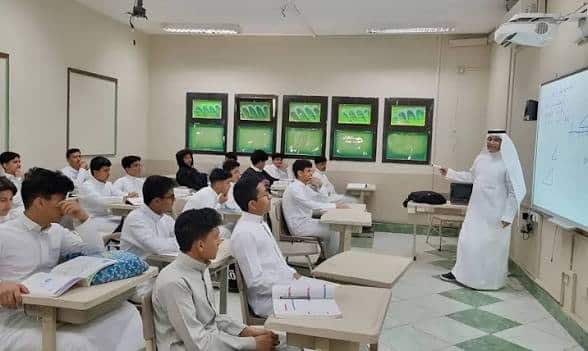
Saudi Arabia has introduced a comprehensive set of education reforms through its new General Education Law, marking one of the most significant overhauls of the Kingdom’s school system in recent years.
The changes are part of the country’s broader Vision 2030 strategy, which aims to modernise education, strengthen human capital, and prepare future generations with the skills needed for a rapidly evolving world.
Among the key reforms is the introduction of co-education in private schools, giving educational institutions greater flexibility in their teaching models.
Public schools, however, will continue to follow gender-segregated education beyond the early childhood stage, maintaining the existing framework for government-run institutions.
The new law also places a stronger emphasis on inclusive education by expanding support for students with disabilities and gifted learners.
Schools will be encouraged to provide specialised resources, tailored learning environments, and enhanced educational opportunities to ensure that every student can reach their full potential.
In addition, the legislation introduces stricter regulatory standards for private schools to improve educational quality and accountability.
Schools will be expected to meet higher performance benchmarks while ensuring that teaching methods, facilities, and academic outcomes align with national education objectives.
The reforms also promote the expansion of digital education and vocational training, recognising the growing importance of technology and practical skills in the modern workforce.
By integrating innovative learning methods and career-focused education, Saudi Arabia aims to better prepare students for higher education and future employment opportunities.
Teacher development and accountability form another important pillar of the new law. Enhanced professional standards, performance evaluations, and continuous training programmes are expected to improve teaching quality across the Kingdom.
Additionally, a new education council will be established to oversee policy implementation, coordinate reforms, and support the long-term development of the education sector.
These wide-ranging reforms reflect Saudi Arabia’s commitment to building a modern, high-quality, and inclusive education system.
By aligning its schools with international best practices while supporting national development goals, the Kingdom is taking another significant step toward creating a more flexible, innovative, and future-ready learning environment for students across the country.

