


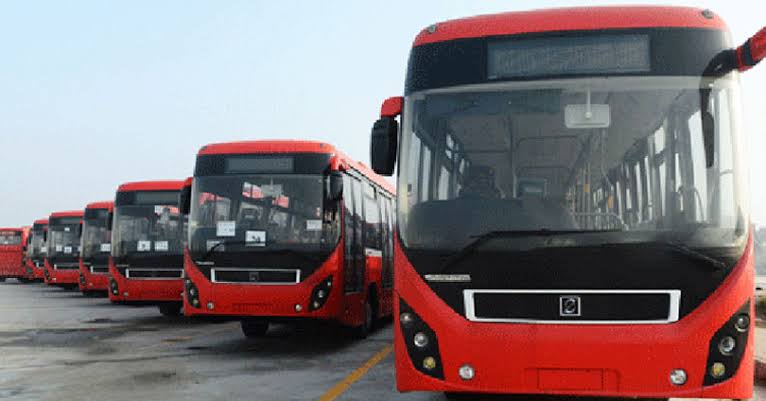
Pakistan needs to place greater emphasis on public bus services instead of relying heavily on privately owned vehicles, as experts call for more affordable and environmentally friendly urban transport.
According to figures from the BusCaro and Pakistan & Counting Mobility Index, public transport accounts for less than 0.5% of the index’s vehicle-based distribution. Privately owned motorcycles, cars and rickshaws collectively represent 98.7% of the reported share.
The figures highlight the dominance of private and individual transport options in Pakistan’s mobility landscape. However, car ownership remains beyond the financial reach of most people, with only around 22 out of every 1,000 people able to afford a car.
Experts argue that investing in reliable bus networks could help address the affordability gap by giving commuters access to a more economical way of travelling. Better public transport could also reduce dependence on individual vehicles, particularly for daily journeys to workplaces, educational institutions and commercial areas.
A shift towards shared transport could bring environmental benefits as well. Fewer private vehicles on roads could help reduce traffic congestion and emissions, provided that public services are efficient enough to attract regular passengers.
Improving bus availability, expanding routes and ensuring affordable fares could make public transport a more practical choice for residents in major cities. Reliable services would also help people who cannot afford private vehicles access jobs, education and essential services.
The discussion comes amid growing concerns about the cost of urban mobility and the environmental impact of transport. Experts say public transport planning should focus on the needs of the wider population rather than placing most of the emphasis on private vehicle ownership.
Expanding accessible bus services could therefore support more inclusive urban development while helping Pakistan work towards cleaner and more affordable city travel.

