


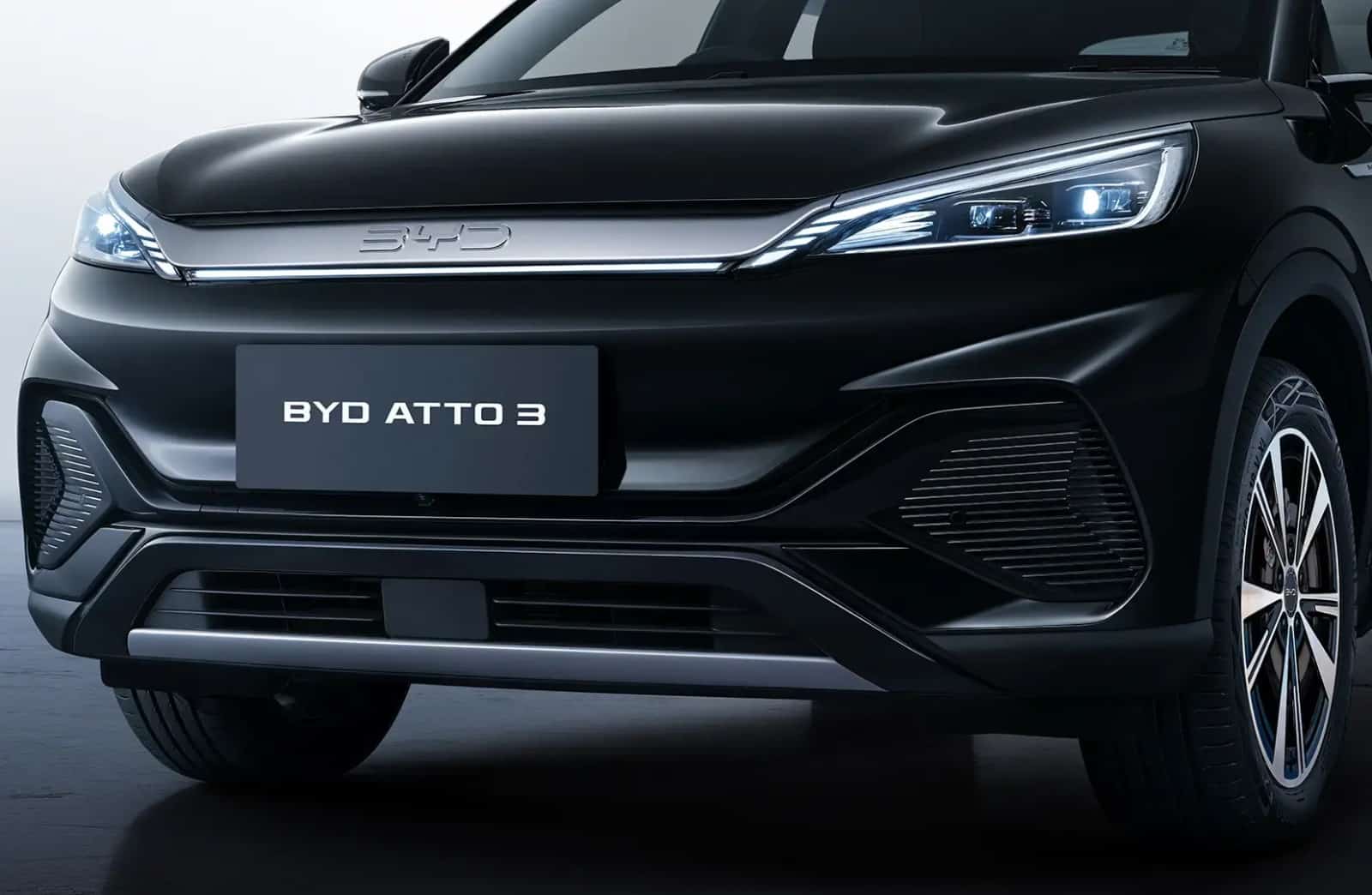
For most Pakistani households, buying a car is no longer just about performance, design, or features. It is fundamentally a financial decision. Consumers increasingly want to know which vehicle will cost less to own over the years ahead, not simply which one carries the lowest price tag.
That is where new energy vehicles (NEVs), including electric and plug-in hybrid vehicles, have changed the conversation. While the initial purchase price remains an important consideration, lower fuel costs, reduced maintenance requirements, and greater long-term efficiency make NEVs an increasingly compelling proposition for consumers looking for savings that last over the entire lifecycle of the vehicle. However, the full benefits of this transition can only be realised when consumers have confidence in the market they are buying into.
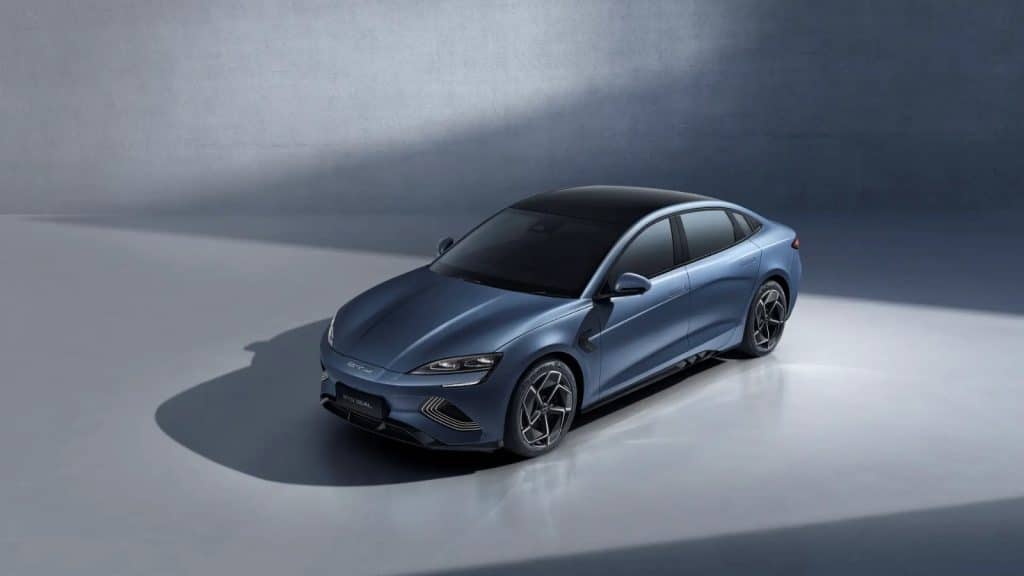
The continued uncertainty surrounding Pakistan’s automotive policy has created exactly the opposite effect. With the previous policy having expired and the subsequent framework withdrawn, many prospective buyers are choosing to delay purchasing decisions while they wait for greater regulatory clarity. Every month this uncertainty continues is another month in which consumers postpone the financial savings that NEVs are designed to deliver.
The impact extends well beyond individual households. Every consumer who delays switching to a new energy vehicle continues to rely on conventional fuels, increasing long-term operating costs while also maintaining Pakistan’s dependence on imported petroleum. For a country that imports the vast majority of its fuel requirements, accelerating the transition to new energy mobility is not simply an environmental objective, it is an economic one.
Reduced fuel imports strengthen foreign exchange reserves, improve energy security, and lessen the economy’s exposure to global oil price volatility. At scale, even gradual increases in NEV adoption can generate meaningful macroeconomic benefits while reducing the financial burden on households.
The encouraging reality is that consumer interest is not the challenge. Awareness of the long-term value proposition of new energy vehicles has grown significantly in recent years. Buyers increasingly understand the advantages of lower operating costs, fewer maintenance requirements, and cleaner technology. What is preventing many from making the transition is not a lack of demand, but uncertainty around the policy environment.
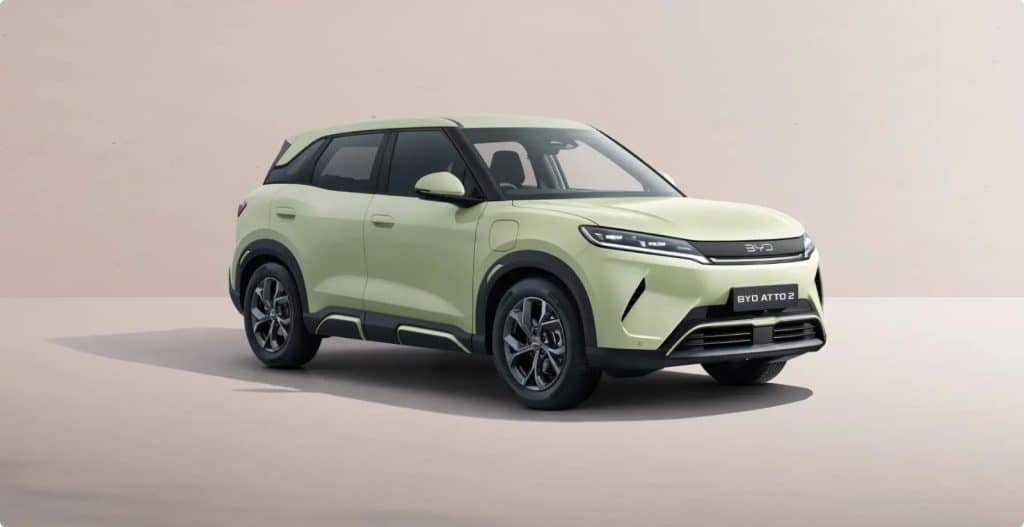
Markets require confidence to grow. Consumers can adapt to changing policies, but they need consistency, transparency, and a clear roadmap that enables them to plan major financial decisions with certainty. In the absence of that predictability, many will simply choose to wait.
Pakistan has an opportunity to accelerate its transition towards modern, efficient, and sustainable mobility while delivering tangible economic benefits for consumers and the country alike. Unlocking that opportunity requires more than technological innovation—it requires a stable and progressive policy environment that gives households the confidence to invest and allows the industry to continue building for the future.
Every delayed purchase represents more than a postponed sale. It is a delayed household saving, a delayed reduction in fuel imports, and a delayed step towards a more resilient economy. Restoring policy certainty will not only accelerate the adoption of new energy vehicles, but also ensure that the economic benefits of this transition are realised by consumers and the country as a whole.

