


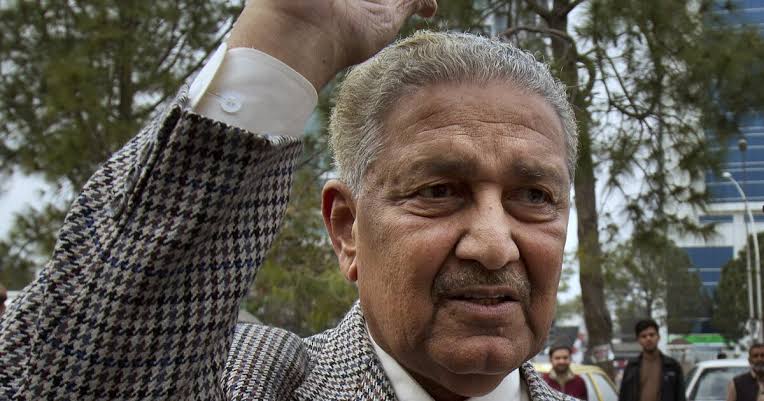
Pakistan is observing the death anniversary of Dr Abdul Qadeer Khan, the renowned nuclear scientist widely associated with the development of the country’s nuclear programme. He passed away on October 10, 2021, in Islamabad.
Born on April 1, 1936, in Bhopal, British India, Dr Khan played a significant role in Pakistan’s efforts to develop nuclear technology. His contributions are closely linked to Pakistan becoming a nuclear-armed state following its nuclear tests in May 1998.
Pakistan’s nuclear tests made it the seventh country in the world to publicly demonstrate nuclear weapons capability and the first Muslim-majority country to do so. The development became a defining moment in the country’s defence and scientific history.
Dr Khan remained a prominent figure in Pakistan and was recognised for his contributions to the country’s nuclear programme. His work earned him several national honours, including the Nishan-e-Imtiaz, which he received twice, and the Hilal-e-Imtiaz.
His legacy continues to be remembered in discussions about Pakistan’s scientific development, national security and nuclear history. His contributions also remain part of the country’s broader story of technological advancement and strategic policy.
On his death anniversary, his role in Pakistan’s nuclear development is being recalled, along with the impact his work had on the country’s scientific and defence institutions.

