


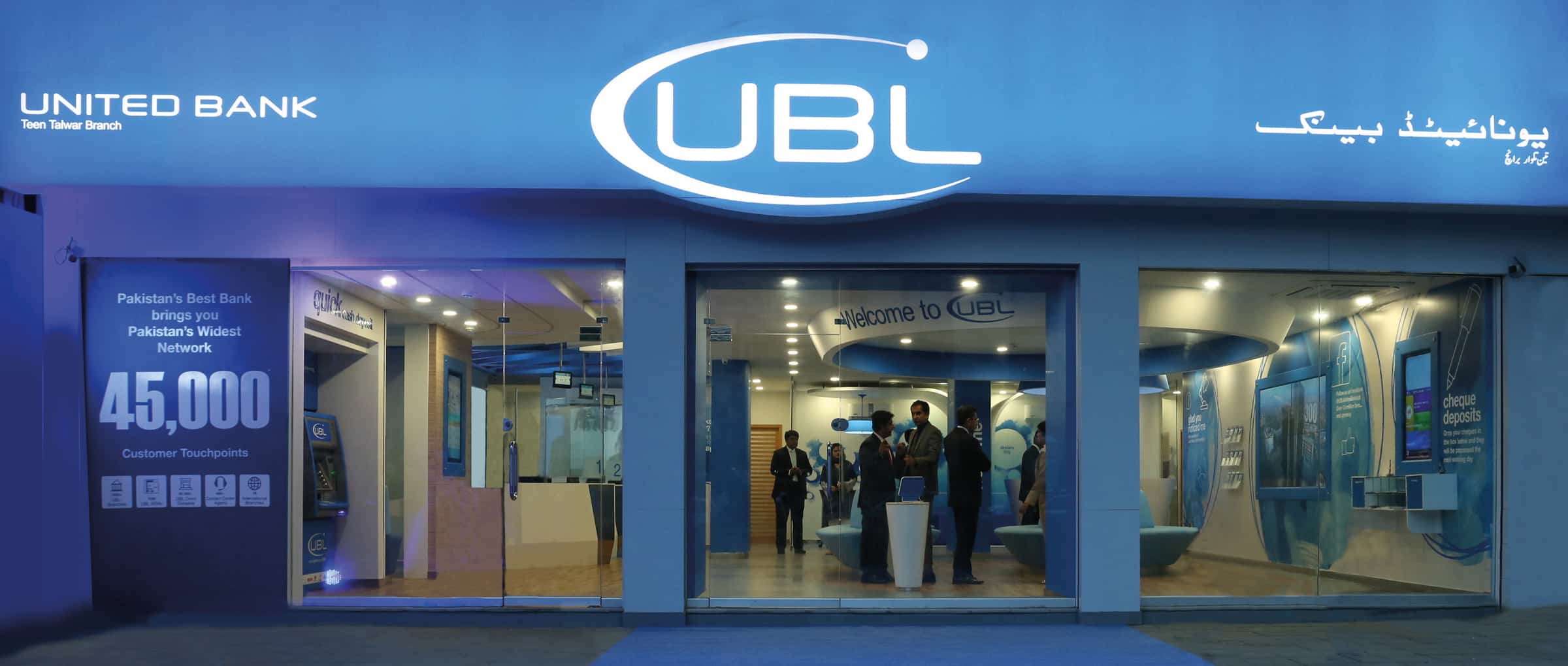
A case before the Lahore High Court has brought attention to an alleged banking fraud scheme in which six UBL customers reportedly lost a combined Rs10.45 million after their mobile numbers were duplicated and banking information was allegedly misused.
Investigators believe the suspects obtained confidential banking details and used fraudulent duplicate SIM cards to gain access to victims’ accounts. The alleged method allowed them to overcome security measures linked to customers’ registered mobile numbers before transferring money from their accounts.
The investigation has also raised questions about possible involvement from individuals connected to both the banking and telecommunications sectors. Authorities have reportedly examined alleged links involving bank employees and a telecom franchise as part of the inquiry.
The court recently dealt with bail applications from two suspects linked to the case. Bail was denied to one accused bank employee, while another suspect was granted bail after the court found that the available evidence was not sufficient at that stage to keep the person in custody.
The case has highlighted the growing risks associated with SIM-swap fraud, in which criminals allegedly obtain a replacement SIM linked to a victim’s phone number. Once control of the number is gained, attackers may attempt to intercept security codes and access financial accounts.
Bank customers are generally advised to treat an unexpected loss of mobile service as a possible warning sign, particularly when there has been no request to replace or deactivate a SIM.
The Lahore High Court proceedings are expected to continue as investigators examine the alleged financial transactions, access to confidential information and possible involvement of other individuals.
The case serves as a reminder that protecting banking credentials alone may not be enough when mobile numbers are connected to financial accounts. Quick reporting of unexplained SIM deactivation can help customers alert their telecom provider and bank before further unauthorised activity occurs.

