


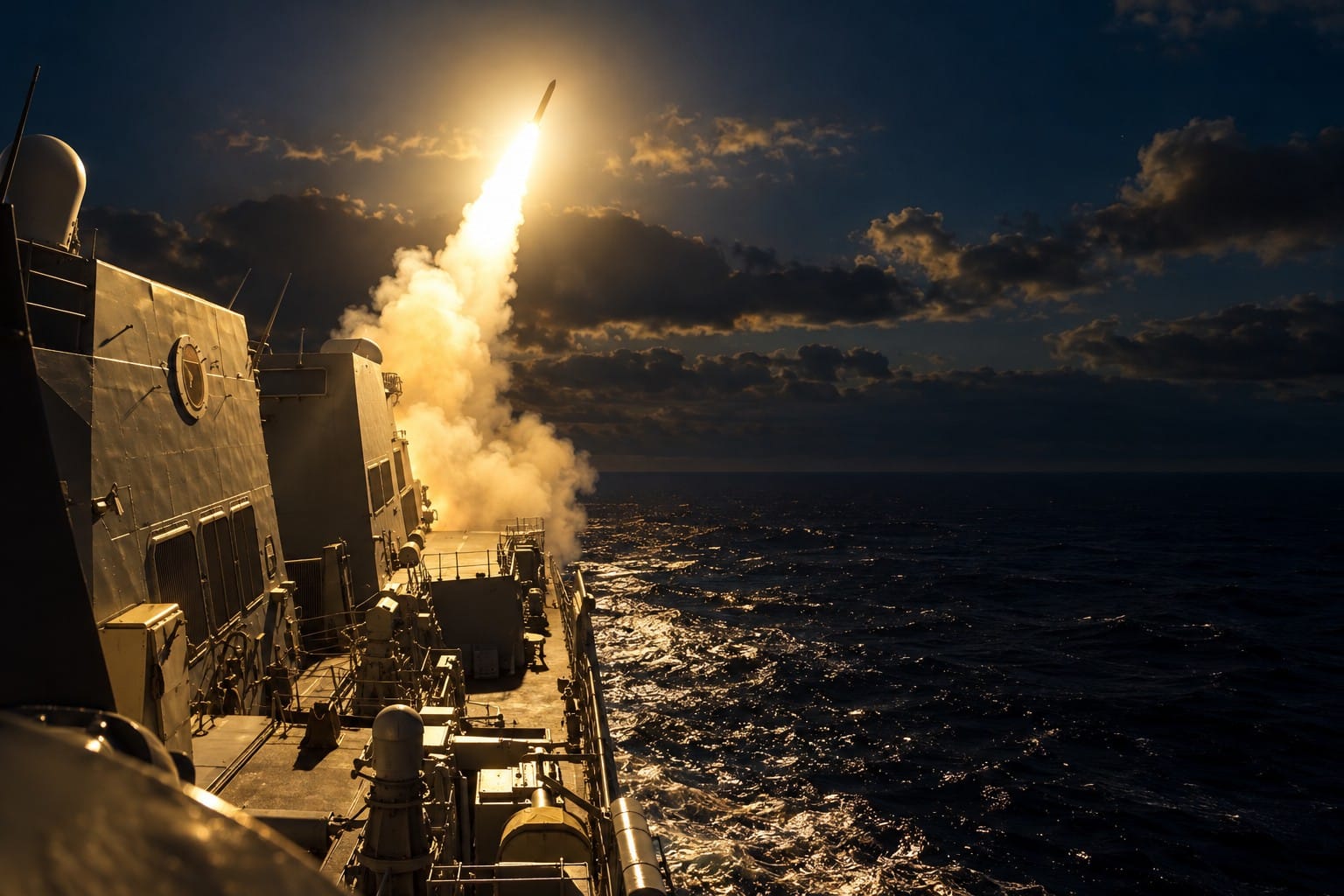
US military spending on the war in Iran has surpassed $47 billion, according to Pentagon data obtained by Reuters, putting the cost more than 25% above the Defense Department’s July estimate. The increase comes as Republicans confront the conflict’s political consequences ahead of the November 3 election.
Replacement costs run into billions
The latest assessment has not been released publicly, and the Pentagon did not immediately answer a request for comment. It compares with the $37.5 billion estimate Defense Secretary Pete Hegseth gave in July.
The figures cover the costs of conducting the war, including flight operations and cyber support. The assessment also sets out substantial requirements to replenish weapons and replace lost equipment:
- More than $29 billion is projected to be needed to replace munitions used during the conflict.
- Replacing military equipment and lost platforms, including aircraft and numerous drones, would require more than $6 billion.
The estimates do not clearly capture the substantial repair bill expected for US bases damaged by Iranian missile and drone strikes. That leaves an important category of war-related expense unclear in the Pentagon’s accounting.
Energy costs weigh on Republicans
The unpopular war has become a political burden for Republicans as they seek to retain their narrow majorities in both chambers of Congress. The November 3 vote will decide which party controls Congress for the following two years.
The conflict’s effect on global energy costs has weakened support for Republican candidates and damaged President Donald Trump’s approval ratings. The higher military spending estimate adds a new disclosure about the war’s cost during that election contest.
Blockade continues after April ceasefire
Trump began the war alongside Israel in February, expecting a brief conflict. His initial approach relied on costly precision missiles to strike Iranian defenses before shifting to cheaper, plentiful weapons, including air-launched JDAM gravity bombs.
An April ceasefire allowed Iran to excavate underground storage sites and restore access to some defenses, missiles and drones. Those assets had previously been inaccessible.
Trump subsequently ordered a naval blockade intended to deprive Iran of oil export income and has left open the possibility of renewed combat after the midterm elections. US officials, speaking anonymously, said the Pentagon has been preparing for a return to heavy fighting if instructed.

