


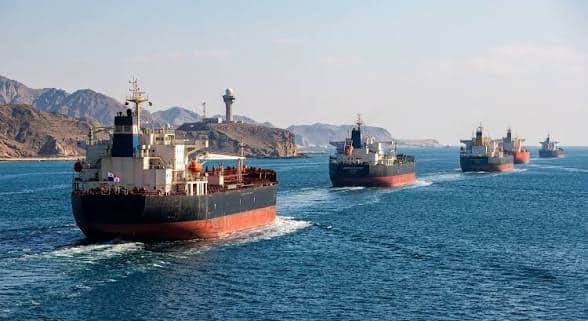
Russian media reports are claiming that the United States and Iran have reached a second ceasefire, while the Strait of Hormuz has reportedly reopened to all vessels.
If confirmed by official sources, the developments could mark a significant change in the regional situation and reduce pressure on international shipping and energy markets.
The Strait of Hormuz is one of the world’s most important maritime routes. A large portion of global oil supplies passes through the waterway, making any disruption there a major concern for energy markets and international trade.
Restrictions or security threats in the strait can force ships to change routes, increase transportation costs and create uncertainty for oil and fuel supplies. Any reopening could therefore provide relief to shipping companies, energy traders and countries that depend on the waterway for fuel imports and exports.
The reported ceasefire could also help lower tensions between Washington and Tehran and reduce the risk of further escalation in the region. However, the claims have not yet been independently confirmed through official announcements.
Because of the potential impact on global markets and regional security, the reports are being viewed with caution until governments or other authoritative sources provide confirmation.
If the ceasefire and reopening are officially verified, they could have wider implications for maritime traffic, energy prices and international supply chains. Shipping companies may also reassess routes and operations depending on the security situation.
For now, the situation remains fluid, and further information is expected as governments and international authorities respond to the reports.
Any confirmed change in access to the Strait of Hormuz could become an important development for global trade and energy markets, given the waterway’s strategic importance.

