


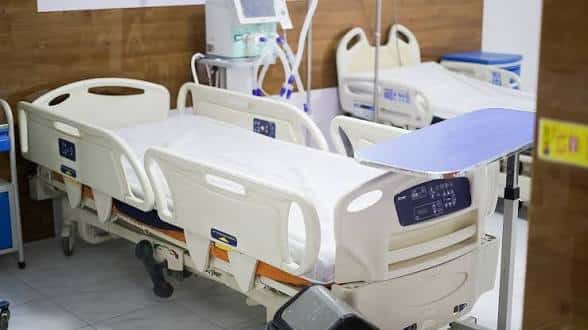
Ventilators are essential medical devices that help save the lives of critically ill patients who cannot breathe properly on their own. They play an important role in hospitals, especially in Intensive Care Units (ICUs), where doctors treat patients with serious illnesses and medical emergencies.
However, a shortage of ventilators has become a major concern in the federal capital, making it more difficult for hospitals to provide critical care when it is needed most.
A ventilator is a life-support machine that helps patients breathe by delivering oxygen into the lungs and removing carbon dioxide from the body. It is commonly used for people suffering from severe lung infections, breathing difficulties, major injuries, or other life-threatening conditions that affect normal breathing.
Doctors rely on ventilators to keep patients stable while they receive treatment for the underlying illness. In many cases, these machines provide enough breathing support to allow the body time to recover. Without access to ventilators, hospitals may struggle to care for patients in critical condition.
The shortage of ventilators can place additional pressure on healthcare facilities, particularly during emergencies or periods when the number of critically ill patients increases. Limited equipment may also affect the ability of medical staff to provide timely treatment to everyone who needs advanced respiratory support.
Healthcare experts stress the importance of increasing the availability of ventilators to strengthen emergency medical services and improve patient care. Expanding critical care facilities and ensuring hospitals have enough life-saving equipment can help improve treatment outcomes.
Officials continue to recognize the need for better healthcare resources to meet growing demand. Addressing the shortage of ventilators is considered an important step toward improving critical care services and ensuring that seriously ill patients receive the medical support they need.

