


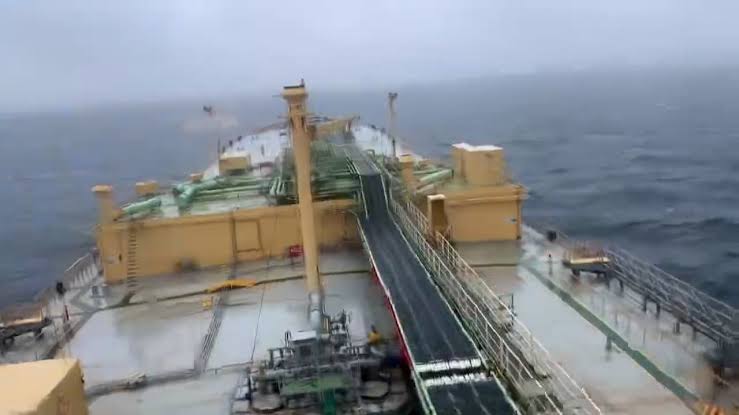
Around 50 LNG vessels remain stranded across Asia as rising tensions in the Middle East continue to disrupt key global energy routes, creating uncertainty in international fuel supply chains.
Amid the ongoing crisis, two Qatari tankers — Al Daayen and Rasheeda — have reportedly started moving toward the Strait of Hormuz. Their movement is being viewed as a possible sign of easing restrictions after weeks of stalled exports, offering a glimmer of hope for partial recovery in LNG shipments.
The disruption has effectively trapped nearly 20 percent of the world’s liquefied natural gas flows, severely impacting supply chains. The situation has been further aggravated by reported damage to Ras Laffan Industrial City, one of the largest LNG processing and export facilities in the world, placing additional strain on already limited output.
As a result, gas prices have surged across major markets in Asia and Europe, intensifying concerns over potential energy shortages in the coming weeks. Analysts warn that if the situation persists, it could lead to prolonged supply instability, increased costs for consumers, and broader economic repercussions for energy-dependent regions.
Disclaimer: This content is intended for informational purposes only and is based on publicly available reports.

