


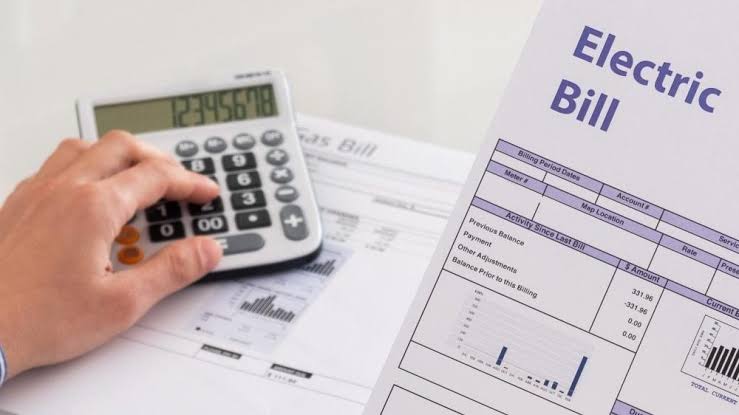
Pakistan has officially informed the International Monetary Fund (IMF) that the electricity subsidy currently available to households consuming up to 200 units per month will be discontinued starting January 2027. The decision is part of the country’s wider economic reform agenda aimed at reducing financial pressure on the power sector and improving the efficiency of subsidy distribution.
Under the new plan, the existing blanket subsidy system will be replaced with a more targeted mechanism connected to the Benazir Income Support Programme (BISP). Through this approach, financial assistance will be directed specifically toward low-income and deserving families instead of being applied broadly to all consumers within the 200-unit category. Officials believe this model will ensure that subsidies reach those who genuinely need support while minimizing wastage of public funds.
Authorities have also highlighted concerns regarding misuse of the current subsidy framework. According to officials, some consumers have allegedly used multiple electricity meters or other methods to keep their monthly consumption below the subsidized threshold, allowing them to benefit from reduced tariffs despite having higher actual usage. The government says the revised system is intended to close such loopholes and create a fairer distribution process.
The decision forms part of broader IMF-backed reforms focused on restructuring Pakistan’s power sector, improving revenue collection, and reducing circular debt. Alongside the subsidy changes, the government is also expected to introduce digital monitoring systems, updated tariff structures, and additional regulatory measures to improve transparency and strengthen the long-term sustainability of the energy sector.

